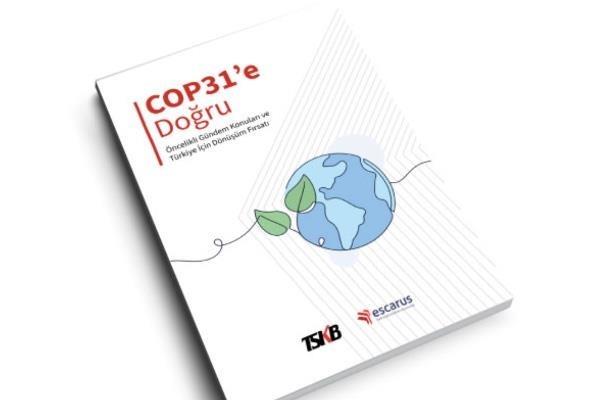


Green investments increase young employment

Pandemi increased the challenges that young people live
[ According to the Strengthening of Youth; while coronavirus epidemic affects devastating on the business market, the challenges of young people in the global diameter have increased even more. According to ILO estimates, 8.7 percent of young people in 2020 suffered from loss of work, in adults, this rate occurred at 3.7 percent. Pandemi brought young people to a much more sensitive situation in the business market due to the reduction of opportunities such as education, internship and limitation of new business opportunities. In the report, it was noted that this situation can trigger more genecin NEET (who are in employment in education) category in the short and middle run. The report was also pointed out that young people face to continue education and education, while changing work and entering the business market, as well as facing big problems. In addition, the coronavirus epidemic was noted that the employment opportunities of young people in Turkey also negatively and unproportregated. [
9.1 percent drop in attendance
According to the global trends, in parallel with the global trends, the participation rate of young people in Turkey showed a tendency to fall during the pandemi period, and in May 2020, a percentage of 9.1 points were decline compared to the same period of the previous year. In the report, the Turkish economy was partially recovered after this period, and the participation rates of young people have gone beyond the pre- pandemi period of participation in young people still have been drawn. The report also shows that the nucleus of unemployment among young people in Turkey has increased after the emergence of coronavirus pandemi. In addition, the horsepower rate in the young population refers to the fact that young people encounter a more open and healthy picture on what challenges they face in the process of the economic stagnation. Almost 13 percent of young people in the Economic Development and Cooperation Organization are included in NEET status as of 2019. Turkey is located in the country with 28.8 percent NEET rate in the age of 15-29 with the data of 2019. On the other hand, while NEET rates from countries are examined, NEET rates in young women are systematically higher compared to young men. Between OECD countries in 2019, 15.4 percent of young women are considered NEET, only 10.7 percent of young men are present in this status.. The highest gender equality in NEET rates is in Turkey with 22.1 percent rate. NEET rate in the female population in the age of 15-29 was reached by 40 percent in Turkey.
One of the 5 young women in Turkey
] TSKB Economic Research states that the employment rates of young women in Turkey and the low participation of labor force in Turkey also reveals another difficult appearance for the labor market. In the report, 15-24 years of age, the participation rate of Turkey in the OECD is recorded as one of the lowest countries. According to the research; while the average participation rate of young women between the OECD countries in 2019 is 44.4 percent, this rate in Turkey was 32.6 percent.. The more remarkable thing is that only one of the 5 young women in Turkey is employed (as of 2019, 22.6 percent). The report reveals that in recent years, if the gender cliff is narrowed, the employment rate of young women of 2019 data and the participation rate of the labor force occurs at a lower level of 20.7 and 23.3 percent points.
The unemployment rate of high-young women is increasing
] In recent years, unemployment figures rise even if there are more trained young women in Turkey. Young women with vocational high school and high school graduates, including labor, are involved as a group with the highest share among unemployed women. However, young women with professional high school and high school graduates appear as the most challenging group in finding jobs between 2014 and 2020.
[
The risks of hope increase the brittleness of the young population
According to theRapora, Turkey is among the countries with the potential to be affected by climate change with geographical properties and urban population. The research is effective on economic growth of changes in the amount of temperature and precipitation and clearly reveals that the most sensitive sector against climate crisis is agriculture. As the European Commission draws gold, insurance, infrastructure and construction, human health, tourism and energy systems are among other sectors that will be most affected by climate change.. Most of the young people employed in Turkey are working in accommodation and dining services, manufacturing, wholesale and retail areas. It is seen that 293 thousand genecin lost positions in 2020, between 15-24 years in the field of economic activities. The numbers confirm that the employment of young employees in the economic stagnation caused by coronavirus also falls sharper than adults (25 years old). TSKB Economic Research is taking into account the potential destructiveness of the climate crisis, taking into account the opportunities for young employment of green investments, but also maintaining the environment and increasing the climate resistance.