

1.8 Billion Dollars Credit Support from TSKB to Sustainable Development
Turkish Industrial Development Bank (TSKB) announced its financial results for the third quarter of 2026. The bank provided support of US$ 1.8 billion to the Turkish economy through long-term cash loans in the first nine months of the year. Renewable energy, circular economy and green transformation investments come to the fore in the bank's financing activities.was among the emerging areas.
According to the data announced by TSKB, loans related to the Sustainable Development Goals (SDGs) constituted 93 percent of the total loan portfolio. The Bank provides financing to projects that aim to increase resource efficiency in the production sector, support adaptation to climate change and improve employment opportunities for women and youth.continued.
200 million euros for renewable energy and battery storage investments
TSKB signed a new loan agreement with the World Bank in the amount of 200 million euros in the third quarter.
The financing, backed by a repayment guarantee from the Ministry of Treasury and Finance, aims to support distributed renewable energy investments and battery energy storage systems across Türkiye.
Distributed energy systems allow electricity production to be carried out in areas closer to consumption points. Battery storage systems, on the other hand, can make it easier to use electricity produced from sources such as solar and wind when needed.
The new agreement is the continuation of the financing provided by the World Bank in 2024.
According to the data announced by TSKB, the bank obtained a total of 1.1 billion US dollars from development finance institutions in the first nine months of 2026.
Two new investments from Turkey Green Fund
Türkiye Green Fund, of which TSKB is the main investor, also made new investments in the third quarter of the year.
The fund, which was implemented with World Bank resources, directed its third investment to Disera Tıbbi Malzeme Lojistik Sanayi ve Ticaret A.Ş., which operates in the medical equipment sector.
USD 10 million investment was made through a capital increase. The financing aims to support the company’s green transition projects.
The fourth investment of the fund was made for Cevher Jant together with the Atlas Growth Capital Fund managed by Maxis.
These investments reveal the importance of industrial organizations' access to finance in their transformation processes. However, to evaluate the environmental impacts of investments, measurable results in areas such as energy consumption, emission reduction and resource efficiency need to be monitored.
Climate finance agenda ahead of COP31
TSKB also continued its work on climate policies before COP31, which is planned to be held in Antalya on 9-20 November 2026.
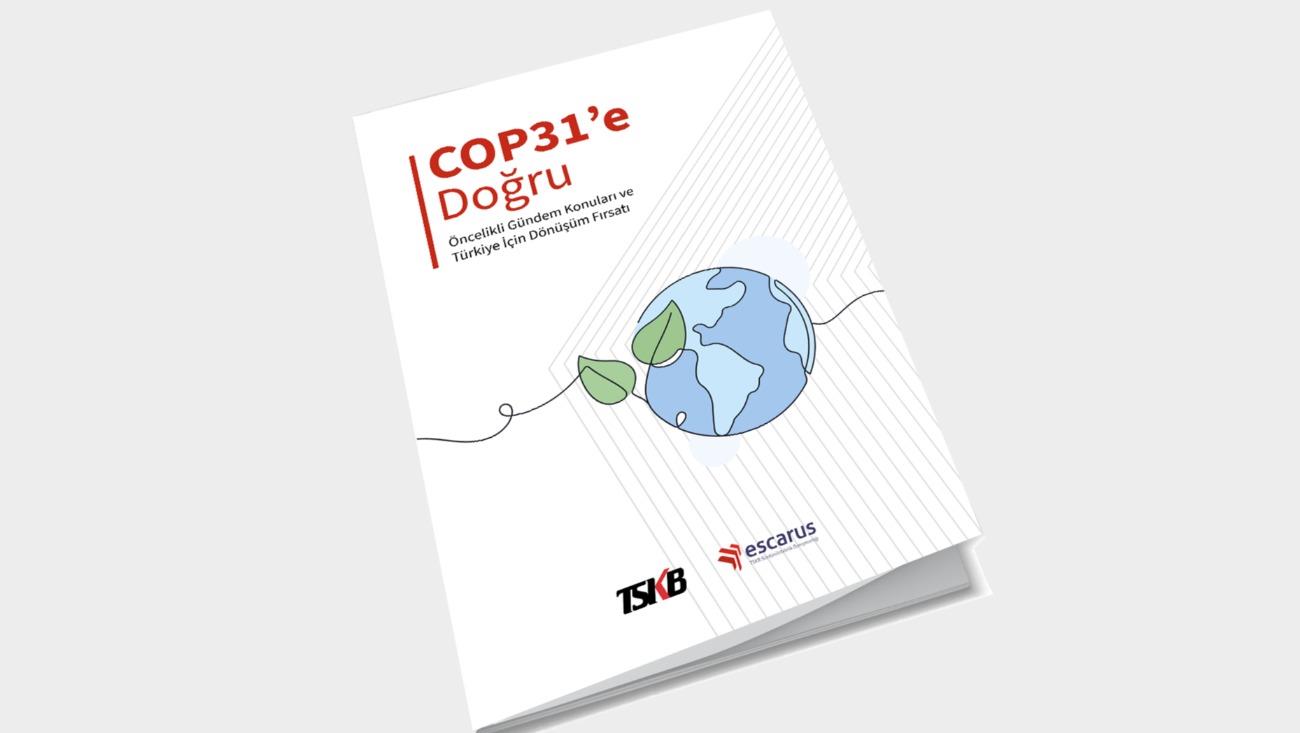
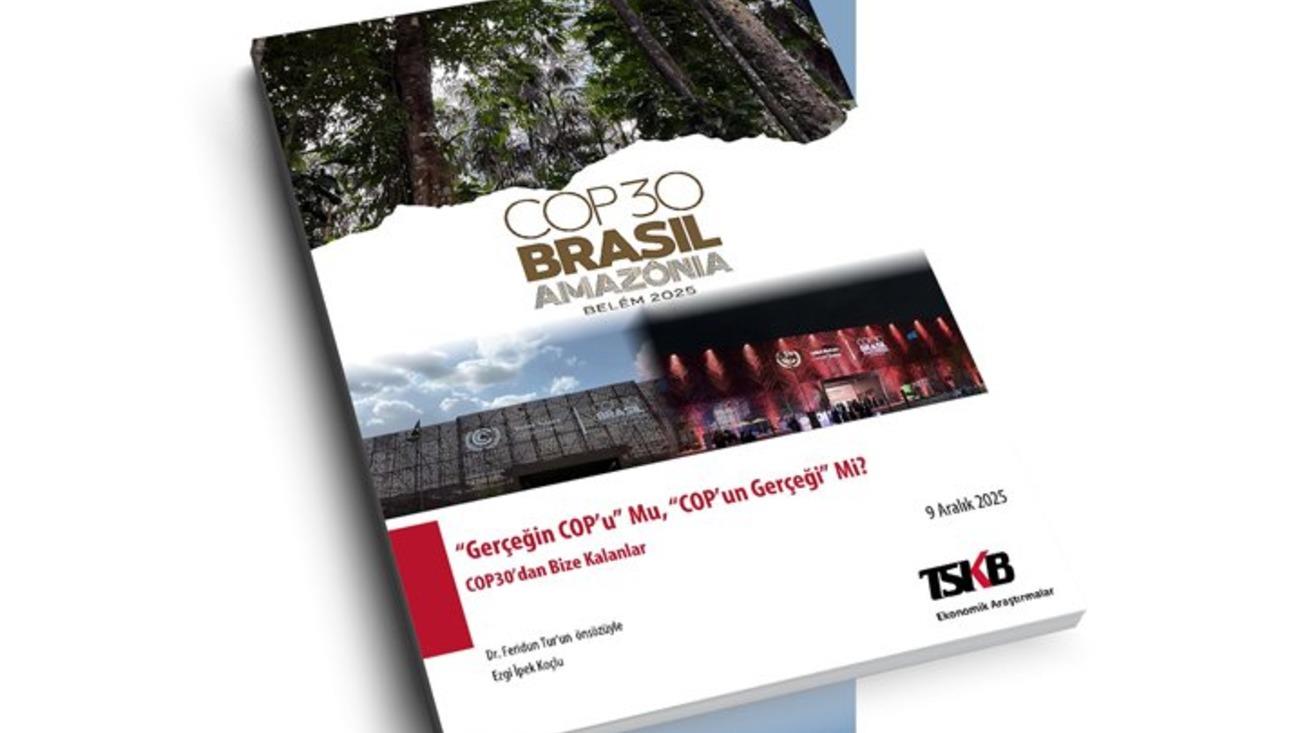
The Bank, together with its subsidiary Escarus, published a report titled “Towards COP31: Key Priority Areas and Transformation Opportunities for Türkiye.”
The report emphasizes that the implementation process in climate policies has gained importance after the first Global Situation Assessment within the scope of the Paris Agreement.
The study focuses on the need to go beyond the declaration of climate targets and turn these targets into concrete investments, financing mechanisms and applicable policies.
In this context, climate finance, energy transformation and adaptation of sectors to changing conditions are among the prominent topics for Turkey.
Climate finance is among the bank's priorities
In his assessment of the third-quarter results, TSKB CEO Ozan Uyar stated that climate finance continues to be one of the Bank’s priority areas.
Uyar stated that the bank continues to support the green and inclusive transformation of businesses with its financing and consultancy activities.
The third quarter results announced by the bank show that sustainable development financing is not limited to renewable energy investments. Projects that support industrial transformation, circular economy, adaptation to climate change and employment are also included in this scope.
In the coming period, in order to evaluate the environmental and social contribution of this financing, the concrete results of the projects, as well as the resources provided, will be important.
Source: Turkish Industrial Development Bank (TSKB), statement regarding the financial results of the third quarter of 2026.