


Blog
Blog
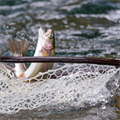
25 Percent of Freshwater Fish Are Under Danger
Nowadays, sweetwater fish in various regions of the world are under serious threat due to changes in the ecosystems they live and climate crisis. The red list assessment made by the International Natural Protection Association (IUCN) offers important information that reveals the size of this danger. According to the evaluation of global warming and extreme hunting effective IUCN, climate change, water...
Blog
The Change of Fish
Sinop University Faculty of Water Products, Faculty of Water Products, Prof. Dr. Osman Samsun said that "As a result of traditional warming, rains should not be regularly lubricated or occur as soon as excessive fats and floods, as well as passing the weather warm and drown for a long time, the periodic growth of fish is negatively reflected in reproductive and development processes." Samsun...
Blog
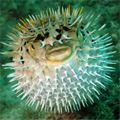
Cost of Coming to Nature High
According to a new report released by the United Nations (BM), the annual cost of more than 37 thousand lyci species spread worldwide has exceeded 300 billion dollars. According to the report; 60 percent of all animal and plant species, known to date, were effective in depletion of this species. UN’s Intergovernmental Biodiversity and Ecosystem Services...
Blog
The Results of Climate in Antarctica Will Be Global
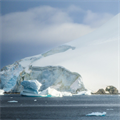
The middle of the southern Hemisphere winter season is low in the amount of ice in Antarctica in shocking dimensions. From Leeds University, Buzulbilimci Anna Hogg can be considered to withstand extreme ends caused by the climate change of the giant continent Antarctica, far from the ice layer of thousands of thicknesses, but the situation is absolutely not such. Currently the amount of lost sea bun...
Blog
Biodiversity Associated with Climate Change
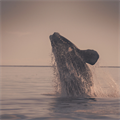
Due to climate change, numerous live types face the threat of losing the ability to adapt to the environment. 1 degree increase recorded at global temperatures affects genetics, behaviors and survival of living creatures. Many live types have no result of human activities of the region where they live or harm, rising the sea level, air temperatures...

Blog
Climate Change Changes the Color of the Oceans
The strange changes in the ocean color accelerated the research of scientists. Satellite data shows that the oceans in the last 20 years have a green color changes in 56 percent of the ocean. Changes are particularly pronounced in tropical areas near the exvatora. The researchers pointed out the impact of this fine greening in our oceans, the climate change on life under the water...
Blog
Ghost Networks Damage the Endemic Marine Creatures
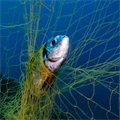
Onsekiz Mart University (ÇOMÜ) was determined by academicians and students from the Faculty of Marine Sciences and Technology in the dives forward in the Aegean Sea, organized in mostdemic genre in which ghost nets are depleted. General Directorate of Fishery and Seafood, Balıkesir Metropolitan Municipality and Çanakkale Onsekiz Mart University (ÇOMÜ) business...
Blog
The Water Footprint of Türkiye İs Determined
The amount of up-to-date water footprint will appear in the country within the scope of the Su Efficiency Expedition work carried out by the Ministry of Agriculture and Forest.
Blog
Climate Academy Reached 5 Thousand People per Year
The World Association of My Nest gave 5 thousand people online and face-to-face trainings in a year with the Climate Academy.

Blog
Biodegradable Reduces Carbon Emissions
The United Nations (BM) decided to create awareness on the protection of animal and plant species that ensure the continuity of living life in 2001, agreed on May 22 as ‘International Biological Diversity Day. The theme of the International Biological Diversity Day, which is celebrated with different themes every year, is the theme of the ‘Activation: Reconstruction of Biological Diversity...
Blog
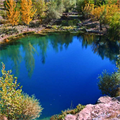
Greeneye Lake for Old Color After Coolers
Located among the natural beauties of Kahramanmaraş, the Greengöz Lake, which is blurred after flooding on 6th of February.

Blog
Plastic Pollution with Numbers
In the world, 300 million tons of plastics are produced in the world, a rapidly growing plastic production, which can not be stopped since 1907, has reached two of the total mass of mankind worldwide. We started to produce about 300 million tons of plastic every year due to our use of unconscious plastic. 60 percent of these products are combined in natural environment and garbage...