


Blog
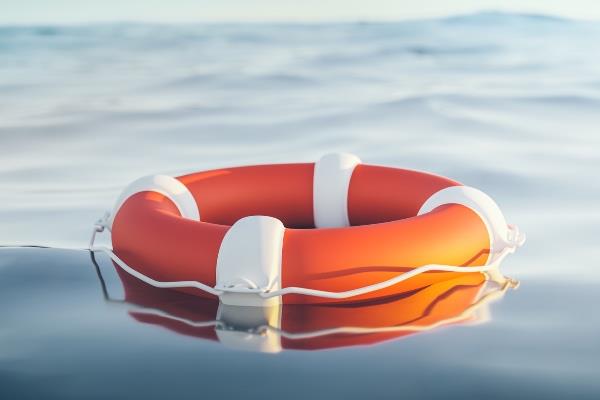
10 percent of the oceans are protected. So how much is actually protected?
In marine protected areas, application is as important as quantity. 2026 data shows the gap between global conservation targets and implementation on the ground.
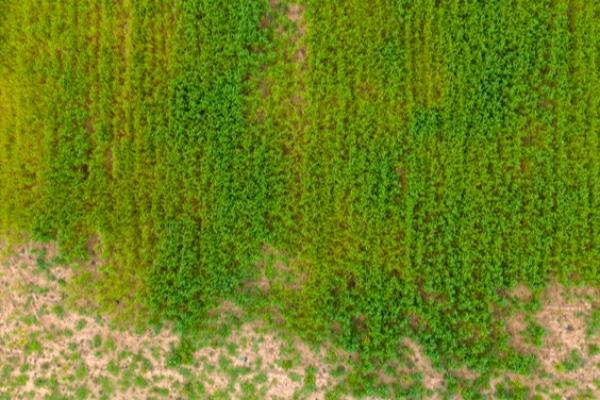
Why do some plants gain advantage when soil is broken?
A new research shows that physical human intervention can change the balance in the plant cover and areas where single-year types can be emitted.

Can deep sea mining species destroy without discovery?
Under thousands of meters of the ocean, life continues in depths where sunlight does not reach. These ecosystems that grow around hydrothermal chimneys are only able to adapt to extreme conditions and most of them are home to species that do not live anywhere else in the world. But these regions are in the room of deep sea mining due to minerals such as copper, cobalt and zinc. International Nature...
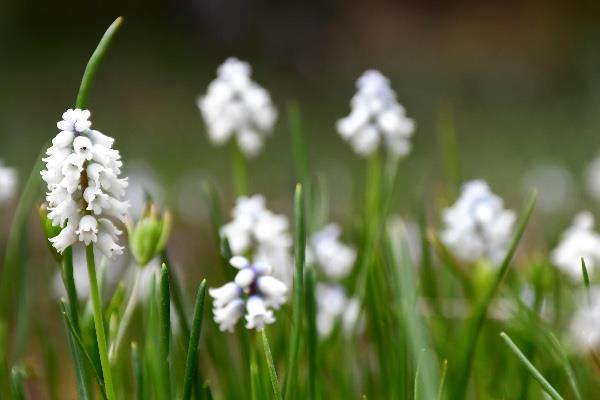
Adana’s endemic plant treasure: Natural inheritance from Toroslar
When it comes to Adana, the most often fertile Pitova Plain comes. The city, one of Turkey’s most important agricultural centers, is distinguished by many products from cotton to citrus. But there is a less known face of Adana. This geography extends to the valleys of Amanos Mountains from the high slopes of Toroslar, is home to one of the most rich plant diversity in Turkey...

UN report warns: The effect of artificial intelligence in the physical world is growing
The new report of the UN reveals the effects of artificial intelligence on water, energy, land use and electronic waste. The physical cost of digital transformation is growing.
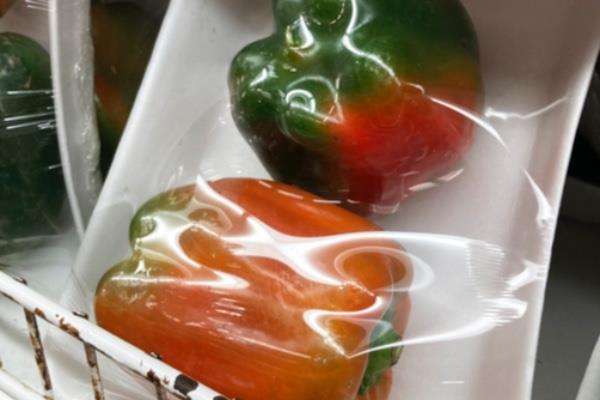
Is food waste, plastic waste? Hard balance in fruit-sebze packaging
The struggle with plastic pollution has become one of the most visible titles of sustainability agenda. New regulations are prepared to reduce unnecessary packaging in market shelves in many countries. Plastics used especially in fruits and vegetables are often criticizing. But here is a remarkable paradox appear: Plastic packagings create an environmental problem, while the same zama...
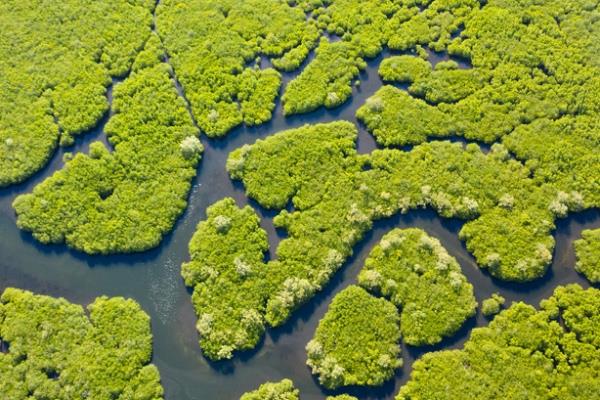
Microplastic to carbon storage: Super trees of nature
Trees produce oxygen, carbon stores, provide shade. But some species do much more than that. Microplastics clean from water, heavy metals attract from the soil, protect the coast from storms, regreen the broken terrains. These types grow fast, require minimal maintenance and offer solutions to multiple environmental problems. Here is the example that comes out of nature-based solutions...
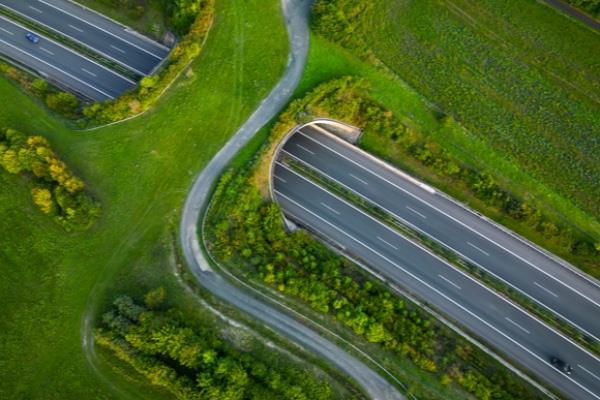
Is there enough measures taken to protect the ecosystem?
Infrastructure projects are indispensable part of modern life. Roads, bridges, buildings are built. However, these structures affect the wild life directly: the migration tracks, disintegrates living spaces, species are compromised. In recent years, some projects adopt a different approach. Take special measures to protect the ecosystem. Bridges for deer are built, construction for the passage of dolphins...

Chemical recycling dissolves plastic crisis, melts
The plastic industry highlights the concept of “chemical recycling” in recent years. According to the rules, this technology can turn recycled plastic waste into new plastics. However, data shows that these promises are a serious difference between the truth. What happens in reality? In 2023, the study of the National Renewable Energy Laboratory, connected to the US Ministry of Energy...

Is Venice portable?
Venice is a city with water for centuries. But today the same water threatens the future of the city. The rising sea level and the risk of increasing stone brings the question that Venice can stay in the long run. The issue according to scientists is no longer just managing water raids. The main question is how long the current measures can protect this historical city. Sea level...
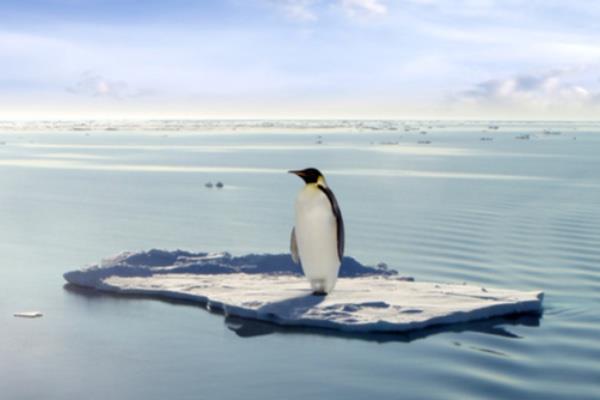
Emperor penguen and fury foclar in danger
The effects of climate change are more visible on the species living in Antarctica. Recent reviews indicate that the emperor is taken into higher threatening categories of penguen and Antarctic fur. According to the data of the International Nature Protection Association, two types of sea ice are reduced and living space and nutrient loss due to the increase of ocean temperatures. Penguin population...
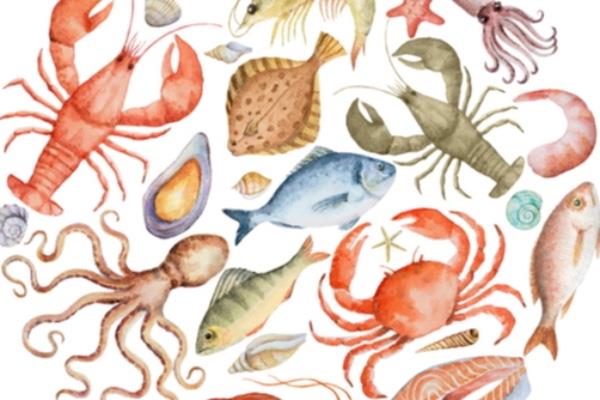
Can blue nutrients be solution to food crisis?
The United Nations Food and Agriculture Organization (FAO) draws a clear table for 2050: The world population will reach 10 billion and you will need to produce more than 70 percent of food from today. Agricultural lands are limited, the freshwater resources are reduced, the livestock is one of the biggest sources of climate crisis. So how to close this deficit? One of the answers; blue foods. Fish from ocean, lake and rivers,...