


Blog
The world produces enough food. So why not expect 2,69 billion people healthy?
The UN’s recent report reduces global hunger. However, 2,69 billion people cannot feed healthy. Why do structural problems in food system?
Population, resources and future: What does a mathematical model say?
How does population and resources balance shape the future? Milan University: Applied mathematical model for 12.000 years data. What risks do results show?
1 threat from all 5 species under the soil
Penguens, polar bears, or pandalars, often carry on cuffs. But there is a much greater biodiversity crisis in the soil under our feet. A new research published in April 2026 reveals that 20 percent of soil-dependent types are threatened by global scale. Conservation International and International Union for Conservation of Natu...
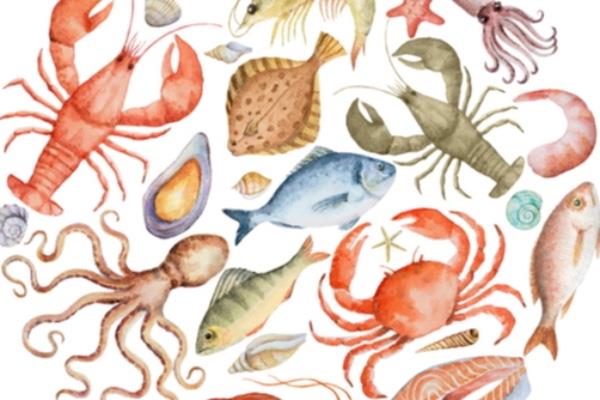
Can blue nutrients be solution to food crisis?
The United Nations Food and Agriculture Organization (FAO) draws a clear table for 2050: The world population will reach 10 billion and you will need to produce more than 70 percent of food from today. Agricultural lands are limited, the freshwater resources are reduced, the livestock is one of the biggest sources of climate crisis. So how to close this deficit? One of the answers; blue foods. Fish from ocean, lake and rivers,...

Not Harmful “forese”
Many live reflexes that we see in the garden, balcony or park are considered “polished”. Yet many small creatures in nature help the ecosystem retains balance. An important part of insects controls species that harm plants, improves the soil or contribute to pollination. So killing some creatures actually means weakening the natural defense system of the garden. ...
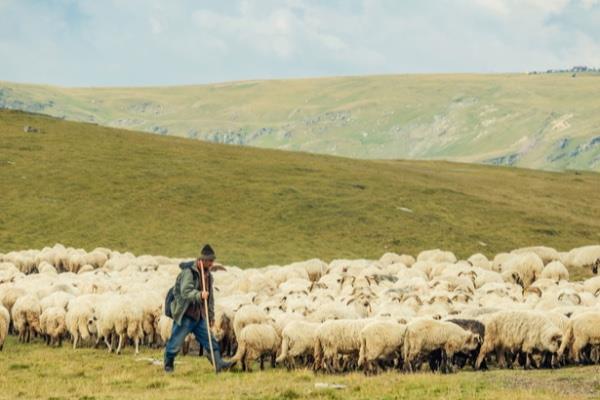
Climate crisis threatens the passage of sheep
Climate crisis affects not only cities and industries, but also rural lifestyle forms. The future of the pastures is becoming more uncertain, especially for the communities moving with livestock. Research shows that climate change can risk the supply of millions of people by narrowing grass areas across the world. United Nations Food and Agriculture Organization (FAO), m...

Can oxygen loss be 10 thresholds?
Climate crisis is often discussed over temperature rise. Yet the world system consists of peers connected with each other. When these thresholds are exceeded, ecosystems can experience sudden and difficult changes to return. The framework of “Gezegen Limits” developed in 2009 appeared to identify these risks. Today we recommend adding a new one to these limits: water mass...

More expensive than Carbon Chest
The researchers from the United States (USA), Germany, Canada, Italy and the Netherlands conducted a study with the calculation of the ocean-based effects of the carbon release. The study published in Nature Climate Change showed that the oceans are doubled about the social cost of the carbon (SCC). In the study, seas, oceans and...
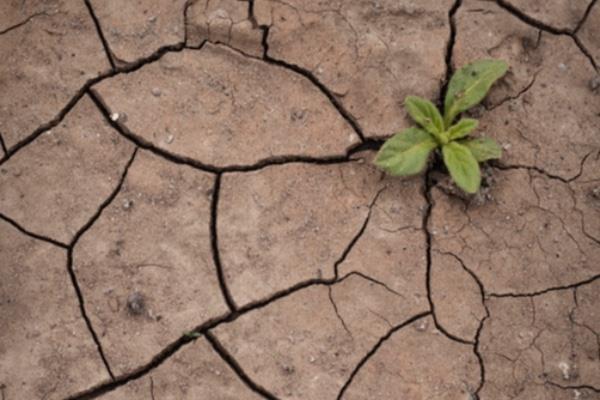
How did water return from water attack?
The new report published by the United Nations University (UNU) says that the planet is to overcome a irreversible limit of water resources. Concepts such as ‘Water stress’ or ‘water crisis’ are now insufficient; experts define this period as global water failure. Climate crisis, excessive consumption, pollution and underground water... Many ecosystems around the world resist against these threats...
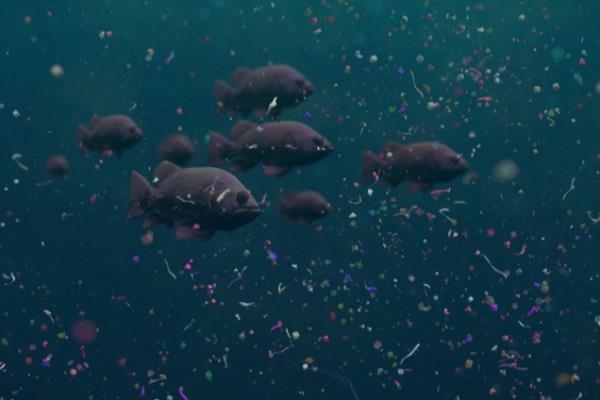
How does microplastics weaken oceans?
Microplastics weaken the absorption capacity of gases from the ocean to the heat from the atmosphere. Science is called ‘acil global action’. According to the United Nations, the oceans produce 50 percent of the oxygen we need, all carbon dioxide emissions are within 30 percent, and more than 90 percent of these emissions lead. It’s also oceans, global...
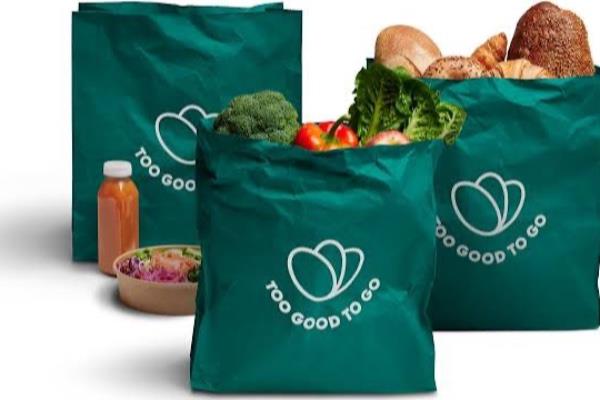
Now food waste price solution
According to the United Nations Environmental Programme (UNEP) data, more than 1 billion tons of food are being used worldwide. This waste, which causes about 1 trillion dollar per year, leads to increased global greenhouse gas emissions. The resulting table is implemented in various initiatives to combat this situation while threatening global food safety. One of these initiatives...
Kuraklik sinsi disaster
According to the UN (Unified Nations) Water Agency (UN Water), approximately 3.6 billion people across the world face at least one month of water per year and this number is expected to exceed 5 billions until 2050. In the news of the Anadolu Agency (AA) 'Damla drop crisis' file, the effect of the state and climate change in the water sources in the world has been discussed. Fresh water resources worldwide...