


14 Life Below Water
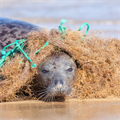
How Does Plastic Pollution Affect Animals?
The global production of plastic is growing increasingly, but recycling rates are still not at the desired level. Global plastic pollution took place as 348 million tons in 2017 while two million tons in 1950. This figure is expected to be two times in 2040. This increase threatens the future of all ecosystems on the planet. Here are some effects of plastic pollution on animals... Animals plastic swallow...
The Way of Life in the Sea
According to the news of The Guardian Newspaper; scientists compared with ‘big mass disaster’, resulting in the effects of global warming, 97% of live types of about 250 years ago. Scientists have no mass comparable to the massive disaster of 250 million years ago by leading global warming, a large change in the oceans.

Is There a History of Pots?
Starbucks eliminates disposable cup
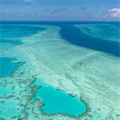
What’s Going on in the Large Set Reef?
The largest coral rocks in the world known as the Great Set Resifi in Australia were confirmed by the authorities experiencing a re-whiteing disaster in the system. Due to the increase in heat in water, this is largely and a common whitening is repeated for the fourth time in the last six years. Large Set Resifi in Australia, 2 thousand 300 kilometers and 344 thousand 400 kilometers...
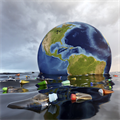
Disposable Plastics Are Prohibited as Soon as Possible
Global research company Ipsos’s Plastic Free Foundation has announced the results of the survey conducted in 28 countries, 16 - 74 years with 20 thousand 513 people. The WWF (World Nature Protection Foundation) was published a report that the results of the survey were analyzed, and the attitude of the world’s public on disposable plastic was revealed. Includes stunning data...
‘Good News Even Though Climate Crisis ’
The United Nations Educational, Science and Culture Organization (UNESCO) announced that scientists discovered a giant coral reef that has not been affected by climate change in depth of 30 meters (100ft) at the largest island of the French Polynesia. The new reef was held on November during a diving trip to the region called the ‘alaranlik region’ of the ocean. Diameter of giant rose corals 2 meters...

Library of Waste Materials
Students from Mersin’s Erdemli district set up the first Zero Waste Library of school city where they’ve seen education by tableing from waste lemon crates and wood ladders they’ve collected.
The World Faces the Biggest Species of Living
The World Natural Life Protection Foundation (WWF) has been found in the warning that there is no live types worldwide, dinosaurs reach the most serious size after the patrol. According to the recent figures of WWF; 40 thousand of 142 thousand 500 animals and plant species under the danger in the International Red List, facing the threat of depletion of the peeling. WWF encounters the danger of depletion until now...
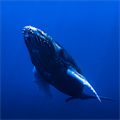
Great Hizme to Fight Global Warming from Whales Tags
We all know the honeys as the largest mammal animal on the world. This giant creatures of the ocean are fed by eating planktons, one of the smallest living organisms in the water. However, a research conducted in the U.S. revealed an interesting feature of balinas never before. Perhaps the global warming and carbon release will serve the most of the animals in stopping. ...
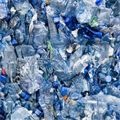
Metro Will Collect 65 Million Plastic
Metro Plastic Movement, launched in collaboration with Metro and Plastic Bank, aims to gather 65 million plastic bottles before reaching the oceans.

Statistics from the Depths of Oceans
Home The largest threat to oceans is not plastic straws, which constitutes only 0.03 percent of the sea thrown plastics or pollution, fish nets. • It consists of only 5 percent of the oceans. Many countries have been committed to maintaining 30 percent of the world oceans by 2030 but research shows that 90 percent of marine protection areas are still open to fishing...
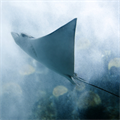
Red List İs İncreasingly Rough
According to the new red list, which is described in a global conference for protection purposes and prepared by the Association of Protection of the International Nature (IUCN), the dog fish in the world and the population of the ‘Manta Ray’ deposits face the danger of being destroyed. The new entering komodo ejderi is particularly rising sea levels and growing in Indonesian habitat, which is the only place where they live on the world...