


Great hizme to fight global warming from Whales Tags
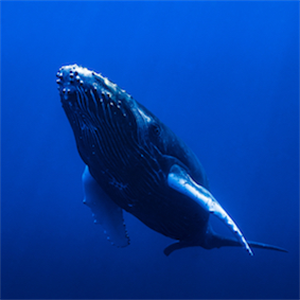
We know honeys as the largest mammal animal on the world. This giant creation of the ocean are fed by eating planktons, one of the smallest living organisms in the water. However, a research conducted in the U.S. revealed an interesting feature of balinas never before. Perhaps the global warming and carbon release will fortune the most of the animals in stopping. We all know the carbonium (CO2) in the atmosphere of Almond and reefs in the trees and seas in the land. This is true knowledge but this giant creation of the ocean are also a great task against global warming by emphasizing CO2 in the water. Whales are pilled in the body by sweating gas in the water, and when they died, they believe in the bottom of the sea and keep these references in the depths of the ocean. Due to the incident called deepina drop (whale falls), balina Karka (smic Meat Stack) forms complex local ecosystems that healing for cooking in deep sea creation. In this way, the carbon gas absorbed by balinas is pilled in the sea bottom and does not exit the surface.
The habitats of these creatures are protected[
]]
Merika was determined that the United States (USA) conflict out about 60 percent of the annual carbon absorption in the field of marine protection in San Francisco. This means, balinas can not be much more carbonated than sea brewries, which carbos carbon loads to the depths of the ocean, with the export of 'yosun', which is carbonated in salty swamps. In total, 4 different habitats perform 5 thousand megagram carbon absorption per year. This is also worth 18 thousand tons of carbon dioxide gas. According to the Greater Farallones Foundation, this rate is 140 times a full amount of carbon dioxide absorbed in sea protection areas. Following the detection of the research related to sea science balinas and Algae, it is necessary to focus on habitats of such creation, rather than in protection areas and cleaning processes in the sea. However, people can’t count that the history of protection balinas is very good. [[
90 percent in the last century of nicotine[]
]]]]]
After the industrial revolution, people hung819 of honeyina with the ground of meat, oil and other properties. According to a research conducted in 2014, the number of balinas has been reduced by 66 to 90 percen Tags. Scientists predict that the whale populations (except for the more complex fed ispermeçet balinas) in the last century have been absorption of 1.9 million tons of carbon dioxide per year. This is worth the annual carbon gas release in the atmosphere of 400 thousand cars. Whales can’t do the absorption of kabondioxide when they hit the black or hunt by people. In other words, carbon dioxide in their body is buried in the bottom of the oceans and scattered into the atmosphere. Whales Gorgeous to live due to the great pleasure of nature in their moments of death, without smoking. The U.S. Maine University Marine Scientist Andrew Pershing to the atmosphere of 70 million tons of carbon gas, due to the whale hunter in the 20th century, which is worth the exhaust gas, which was released by 15 million vehicles.
There are 33 tons of carbon dioxide per year]
Another properties that make the Whales precious are also catamarans rich in iron. Small phytoplanktones (small seaweeds) that are fed by the miner. 40% of carbon dioxide absorption worldwide. The most important structure of the food chain in the ocean, sea and fresh waters. According to a published research in the International Monetary Fund (IMF) 2019, a natural paid ballina sucks 33 tons of CO2 in the year, about 22 kilos of carbon dioxide absorption in a tree year.
Source: Ecosystems