


Red list is increasingly rough
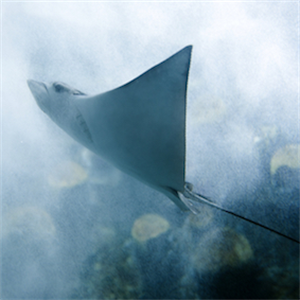
According to the new red list, which is described in a global conference for the purpose of preserving the descending species and prepared by the International Association of Protection of Nature (IUCN), faces the danger of destroying the populations of dog fish and ‘Manta Ray’.
The new entering komodo ejderi was determined as one of the living creatures that are now depleted due to the increased temperature and waters in the Indonesian habitat, which is especially the rising sea levels and the only place they live on the world. Due to its dense tree cut, the black and rose trees are also included in the category of trees under the danger to the list for the first time.
37 percent of dog fish
According to the description made from IUCN, from 2021 to around 37 percent of dog fish and vatose in the world. This rate was 33 percent before seven years ago. The rise trend in the risk of depletion of listed species is explained by excessive hunting, habitat loss and climate change. Ocean dogfish populations have been recorded since 1970 percent. The director of IUCN Bruno Oberle said that if they take the correct measures of the tons of fish population and some other species, the progress, states and other actors in the revitalization, the healing is an indication that it is possible." In this context, it was noted that the fishery jeans brought in many species of orkinos are caused by the introduction of the population in the way of eating. [
[
Under risk of 38 thousand species
]
IUCN Red List Unit reevaluates hundreds of types every year. Around 138 thousand species allowed by the group faced with the danger of no more than 38 thousand. Recent research shows that most of the ecosystems of the planet are seriously risked by global warming, deforestation, habitat degradation, pollution and other threats. The population of more than half of all types of ripped birds around the world is gradually reduced, and among which 18 species are seriously compromised. It is estimated that the colonies of the emperor penguin from 2050 to 70 percent of the colonies and 98% up to 2100 years.
Source: Ecosystems