


Blog

10 stunning statistics you need to know about quick fashion
Quick fashion; low price and high speed running production model. But the effects of this system on the environment and society are becoming more visible when the numbers are cleared. 1. Fashion sector is responsible for about 10 percent of global carbon emissions. This rate is higher than the total release of international flights and sea transportation. 2. Fashion industry, second largest water consumption among industries...
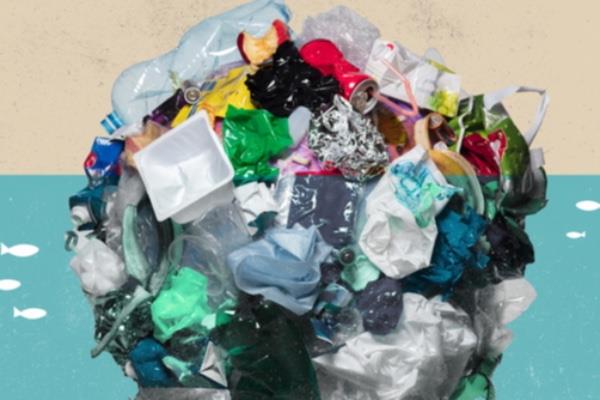
How does plastic pollution break balance in water ecosystems?
Plastic pollution is often discussed through waste management and image pollution. Yet recent scientific findings show that microplastics create much deeper and indirect effects in water ecosystems. A new research reveals that fossil fuel-based plastics trigger alg explosions, causing water quality hazard. A trigger that does not appear in Alg explosions...
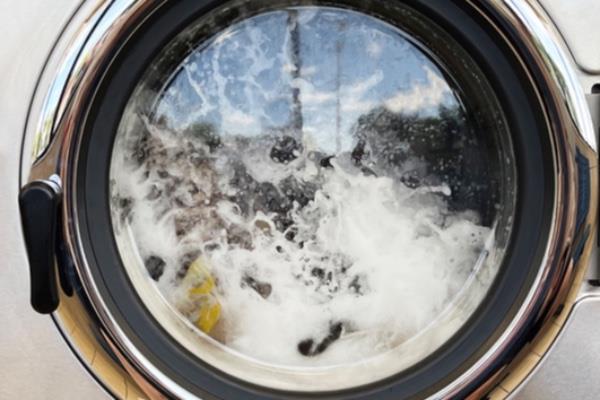
Can microplastics turn into solar energy?
Microplastics that occur during the washing of synthetic clothes are considered an important source of pollution for water ecosystems for a long time. A new academic study conducted in Turkey approaches this problem from a different framework. Microplastics from washing machines are shown to be converted into a material that can be used in solar batteries with appropriate operations. Re...
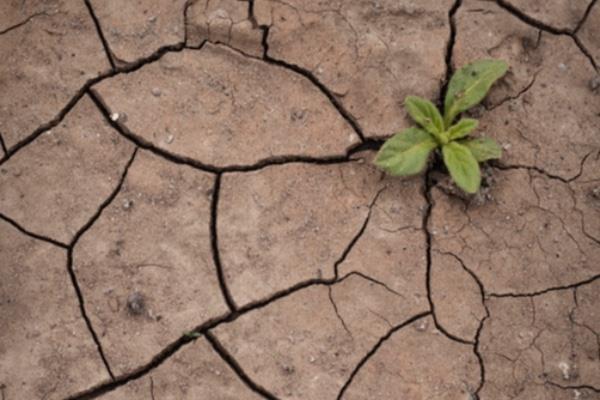
How did water return from water attack?
The new report published by the United Nations University (UNU) says that the planet is to overcome a irreversible limit of water resources. Concepts such as ‘Water stress’ or ‘water crisis’ are now insufficient; experts define this period as global water failure. Climate crisis, excessive consumption, pollution and underground water... Many ecosystems around the world resist against these threats...
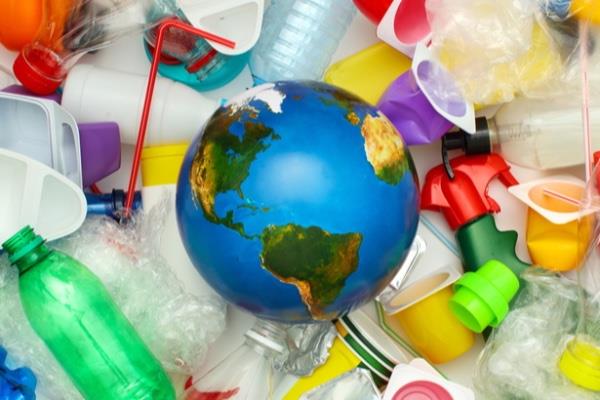
Why can’t plastic pollution still be controlled?
Plastic pollution is no longer just the environmental news, but a global crisis header. Every year about 400 million tons of plastic are produced and a significant part of this amount is mixed into nature. Oceans are full of rivers, soils and even human body, micro and macroplastics. Despite all this table, it is still not effective and binding global solution. World, this problem has been known for decades...
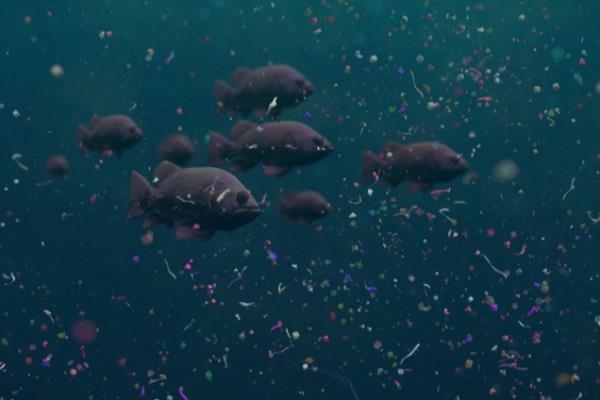
How does microplastics weaken oceans?
Microplastics weaken the absorption capacity of gases from the ocean to the heat from the atmosphere. Science is called ‘acil global action’. According to the United Nations, the oceans produce 50 percent of the oxygen we need, all carbon dioxide emissions are within 30 percent, and more than 90 percent of these emissions lead. It’s also oceans, global...

Sustainable concrete from sea shells
University of East London researchers in the UK bring an unexpected solution to one of the biggest environmental problems in the construction industry; sea shells. The new study shows that the pony and dredging shells, which are seen as waste, can be evaluated in low carbon concrete production by converting into fine powders. This transformation is a giant carbon load of both waste management problem and construction industry...
Kuraklik sinsi disaster
According to the UN (Unified Nations) Water Agency (UN Water), approximately 3.6 billion people across the world face at least one month of water per year and this number is expected to exceed 5 billions until 2050. In the news of the Anadolu Agency (AA) 'Damla drop crisis' file, the effect of the state and climate change in the water sources in the world has been discussed. Fresh water resources worldwide...

Plastic inheritance behind the pandem
Disposable masks with a safety shield for millions of people throughout the pandemi, leaving a different table behind today. These masks are not only growing the plastic waste problem while being one in the streets, rivers and oceans, but also become an invisible threat by turning into microplastics and hormone-complex chemicals. This simple object used to protect health...

The world’s first carbon tomb was launched
The Northern Lights plant, established in Norway, is stored in the depth of 260 meters of the North Sea, the carbon dioxide collected from Europe
Hidden tehlik in plastic bottles Home
Scientific research reveals that BPA and microplastics are leaked in heated plastic bottles. These substances are associated with many health problems from hormone imbalances to cancer in the long run. The means heated under the sun can turn into a serious danger of an innocent appearance. The danger from temperature Plastic water bottles, chemicals used in production...

Can we stop deserting?
Deserting refers to the process of making the fertile soil over time, making it a boar and productivity. Climate change, increased temperatures, irregular precipitation and human activities are among the biggest causes of deserting. Global warming reduces soil moisture by increasing evaporation and causes plant cover to be destroyed. Extreme weather events extend drought...