





Blog
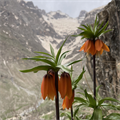
We lose our endemic plant types
Studies in wet areas in different points of Turkey, mainly in the Western Black Sea Region, show that the mostdemic plant species are reduced, and the invaluent of natural vegetation is facing the threat of being destroyed due to foreign species. Researchers cause changes in the mostdemic plant species of climate change and natural vegetation, and serious changes of these changes...
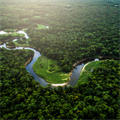
The reason for tamper in Amazons is global warming
The international ‘World Weather Attribution’ initiative that combines climate scientists was expressed that El Nino and climate change play a role in the reduction of precipitation falling to Amazons but the main cause of drought was increased by global temperatures. The science people who benefit from computer simulations to prepare the report, the progra...

Employers sensitive to energy efficiency
According to the results of a new research, CEOs make progress in action.

2024 Future Report of Growth Announced
According to the statement made from Sabanci University, the Future Report of 2024 Growth, which was operated by the World Economic Forum and conducted by the Turkish Studies TÜSİAD (Turkish Industrialists and Business Humans Association) and Sabanci University Competition Forum. The ‘Global Re...

There is connection between neurological diseases with air pollution
The research conducted in the UK reveals the relationship between air pollution and neurological health more clearly

Extreme hot or cold stress affects baby's birth weight
A new study in the Curtin Population Health School in Perth shows that excessive hot or cold stress, which is especially exposed during the final periods of pregnancy, can affect the birth weight of babies. Here are surprising findings from the study: • The study examined more than 385 thousand pregnancy, which took place between 2000-2015 in Western Australia. • Different temperature conditions maru...
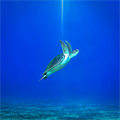
Biodiversity: The last call of nature
Last 50 years, human consumption, population growth, global trade and urbanization was a period that rapidly grown. However, this growth led to consume more resources than nature can naturally renew. According to the WWF (Natural Life Protection Foundation) report, populations of animals from mammals to fish, birds to reptiles and amphibians are 68 percent of the average between 1970 and 2016...

The business world must take action plan from commitment mindset
Ernst & Young has released 2023 versions of Global Climate Risk Barometer.

Green talents are increasing
Climate change affects sea levels such as rising and frequent extreme weather events, today leads to a growing understanding of consumers, governments and business leaders. This period brings together the result of seeing the effects of climate change, unlike the past and bringing various opportunities in the business world. 70 percent of the employer...

6 ways to reduce energy cost and usage
1. Use LED bulbs according to traditional bulbs, LED bulbs provide more energy efficiency and consume less energy. LED bulbs can last longer and often last longer than other bulb types. This reduces bulb change costs. In addition, LEDs produce less heat, which minimizes the energy into heat during use. 2. Energy-friendly home appliance...

Bioplastics are not innocent!
Researchers at the Institute of 5 Gyres examined how bioplastic products, especially bottles, straws and bags, when thrown into the ocean or left on the black. Surprisingly, many of these products have not been solved in nature even after a year. It was determined that even after 64 weeks, 78 percent of bioplastic items remain in all. Growth environmental...
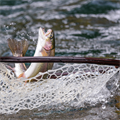
25 percent of freshwater fish are under danger
Nowadays, sweetwater fish in various regions of the world are under serious threat due to changes in the ecosystems they live and climate crisis. The red list assessment made by the International Natural Protection Association (IUCN) offers important information that reveals the size of this danger. According to the evaluation of global warming and extreme hunting effective IUCN, climate change, water...