


Why can’t plastic pollution still be controlled?
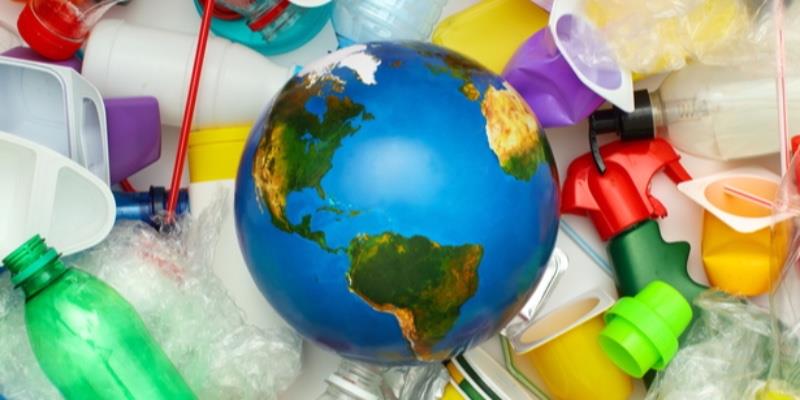
Plastic pollution is no longer just the environmental news, a global crisis header. Every year about 400 million tons of plastic are produced and a significant part of this amount is mixed into nature. Oceans are full of rivers, soils and even human body, micro and macroplastics. Despite all this table, it is still not effective and binding global solution. The world knows this problem for decades, talking and even looking for solutions. However, plastic production is not reduced, recycling rates remain very low, political negotiations remain unrecommon. In short, when growing plastic crisis, solution attempts are counted in place. So, despite this much information, awareness and solution proposal, why can not still control the plastic?
Why does not stop plastic production?][
Plastic is one of the most common materials of modern economy Home. It is widely used in almost every industry due to its light weight, durable, cheap and versatile. Plastic from packaging to automotive, technology to agriculture is now everywhere. In 1950, only two million tons of plastic are produced, in 2015, this amount is 419 million tons. Today, this figure is watching over 400 million tons and continues to increase every year. One of the biggest causes of this increase is the still intensive choice of disposable plastics. Moreover, a large part of plastic production is based on fossil fuels. Therefore, plastic production for some countries is seen as an economic and strategic sector. This also blocks the front of the steps to limit the production at the international level. [
Why does not work?]
Recycling rate of plastic is quite low worldwide. Only about nine percent of all plastics manufactured to date have been recycled. The main causes of this were either burned or mixed into nature in a ratio of ninety percent on the face:
Home Most of the plastics are not designed to be recycled.
Home Recycling infrastructure is insufficient in many countries.
Home Plastic types cost separation of different and mixed plastics from each other.
Home The quality of recycled plastic usually falls. This reduces marketability.
Home Recycling is not the solution alone. Plastic production needs to be reduced from the beginning. However, the existing economic structure remains in the limits of reuse and conversion instead of reduction.
Great threat that does not appear microplastics
Plastics break over time and turn into microplastics. These small particles are detected not only in seas, but even in drinking water, soil and even in the air. Research shows that microplastics enter birds, even human body from fish. In human blood, microplastic traces were encountered in lung tissues and mother milk, the size of the danger is reflected in the eyes. But these non-existing contaminants are not yet subject to editing enough. This also shows that the health size of plastic pollution is not taken sufficiently seriously.
[
Why does not result in international agreements?]
The United Nations launched the process to prepare a global agreement with a legal binding against plastic pollution in 2022. However, in 2024, the critical meetings made in Busan and in Geneva in 2025 were not guaranteed. The value that is still provided on the agreement text Tags. The reason is quite clear: Some countries and strong plastic industry lobbys come from the limit of production. Plastic manufacturer states that countries will experience economic losses. This indicates how the contradiction between environmental responsibilities and commercial interests leads to being locked globally.
Consumer behavior does not change quickly enough[[[ T29]][
If the difference is increased, plastic use is continued in our daily lives. almost everything from grocery stores to food orders, from clothes to technology products comes with plastic packaging. Alternative products are still expensive or difficult to reach these products. The guiding of the States does not seem possible to solve this problem, without changing the producers’ transformation and habits of consumers at the same time.. Plastic pollution is growing with political and economic preferences, not with technology or knowledge. The reason why the problem has not been solved is not known, but it is not applied to our know-how. [email protected]
Source: Environmental Protection