


Under the threat of traditional life climate change of domestic people
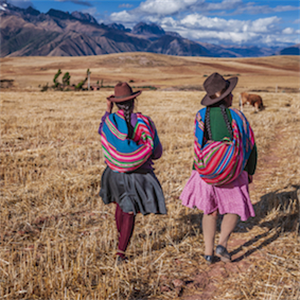
The most important preservatives of biodiversity on the earth against the creation of 5 percent of the world population are considered and native people living at least in the carbon release are among the most affected groups of disasters such as flood, hose, drought, which are increasingly violent due to the activities of developed countries. Many factors such as transportation, urbanization, consumption and increase in the use of plastic in advanced countries, lead to the growth of climate crisis. On the other hand, disasters that occur as a result of the temperature rise experienced by global warming, do not affect all groups in the world equally or fair. According to the information that the AA correspondent has compiled from the United Nations (BM) reports, the United Nations Development Programme (UNDP) studies and the World Nature Protection Foundation (World Wide Fund for Nature / WWF) data, one of the most affected groups from the changes caused by the climate crisis is the native people who adopt the lifestyle in order to be at least the carbon release. Native people can face earlier than other groups with the effects of global warming due to the fact that most of their income sources are based on earth or water.
There are 370 million natives in the world]
According to UNDP data, an average of 370 million people on the world are considered domestically. situations where local people are affected directly in the context of climate crisis; epidemic diseases caused by the increase of warms, drought, deserting, forest fires and forest destructions are shown as the melting of the mountains and sea frosts with heavy damage to agricultural lands. As a result of these nature events in studies, domestic people have suffered losses in income sources, due to temperature changes, they were previously exposed to the invaluable species of insects, resulting in the danger of food safety, due to increased water levels, the result of coastal erosion is highlighted in the fight against existence in small islands. In addition to these, many domestic people are pointed to have to migrate due to floods, storms, tayfunlar and drought caused by climate change. [
According to various reports published by the UN, domestic people connected to nature with each aspect of their lives are met with different problems in their regions of climate crisis in various points of the world. For example, due to climate change in Ekvator Amazons, the main source of agricultural lands, which are the main source of domestic people, leave the crops under waters, reveals the problem of food safety in the region. Aborjinler, native people in Avusturalya, and other natives living in various islands in Torres Throat are facing the negative effects of climate change. Some of these communities are concerned about losing their land as a result of increasing water levels in the region they live and being climate refugee. Local people living on the island are fighting irregularly tiers, rising water levels, coastal erosion and sudden water raids.
Sea traffic affects natural balance]
The native people in Honduras, Guatemala and Nikaragua, affected by Eta and Lota hurricanes in Central America in 2020, are among the groups focused on work. Native people in the region, already financial troubles, discrimination, violence, mining and energy projects prints, negative effects of excessive tourism. While living conditions are increasingly aggravated with the climate crisis, the trend of migration from these regions to the United States is also increasing. The climate change of local people living in the North Pole Region is taken into account the challenges caused by climate change. While there is a withdrawal in the iceuls with ice melts in the research, it is normally noted that it negatively affects the dynamics of hunting by entering the area of animals such as cathale without experiencing in this region. In the study shown among factors that disrupt the balance of mining, gas and oil extraction activities carried out in the region, the creation of new infrastructures such as train path building for these activities is expressed that the increase of sea traffic affects the natural balance of the region.
Source: Sustainable Living