


Two people welded in three of the metan release
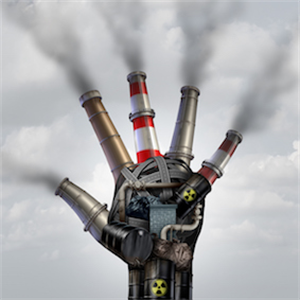
In the climate change crisis facing our world, methane gas plays an important role. According to the recent researches of scientists, about three of the metan release in the world, the result of human activities comes into the atmosphere. This situation shows that the increase in methane emissions reaches alarming dimensions, despite global efforts to reduce greenhouse gas emissions.
Important findings from theGlobal Carbon Project]
In a comprehensive research conducted with the contributions of 66 different research centers within the scope of the Global Carbon Project, the causes of carbon and methane emissions across the world were reviewed in detail. According to the results of the research, human-source activities such as feeding, coal mining, natural gas extraction and processing, discharge of organic waste to rice cultivation and garbage fields are responsible for 65 percent of methane gas emitted into the atmosphere. Despite the global measures taken in the direction of reduction of methane gas, the lethals quickly increase. In particular, agriculture, energy and waste management sectors are among the main sources of methane release. [
Last 20 years of methane emissions saw 15-20 percent increase][
Metan gas has a strong greenhouse gas effect compared to carbon dioxide. According to scientific research, methane is responsible for about 25 percent of global warming. Despite being shorter than carbon dioxide, the capacity to keep the heat in the atmosphere of the meta about 25 times more. This shows that methane gas contributes to global temperature increases. In the research, due to the reduction of the use of fossil fuels and the chemical changes in the capacity of destroying the meta of the atmosphere, this trend was not long. In the last 20 years, an increase in 15-20 percent in methane emissions caused by human activities. In addition to the atmosphere every year, 50-60 million tons of methane gas is released.
]The 370-384 million tons of methane gas in2020]
The increase in methane emissions in the last period has won speed. According to the research, it was observed that since the beginning of the 2020s, the methane release increased much faster. In 2020, the result of human activities released methane gas from 370-384 million tons to the atmosphere. This increase marked a fairly high rate according to previous years.
Fosil fuels and agricultural activities[
In the research, it is also highlighted that methane emissions from fossil fuels are compared to methane gas caused by agricultural activities such as livestock. But due to agricultural and garbage fields, the metan gas, which is released into the atmosphere, almost two times more than fossil fuel-borne emissions. Specifically, activities such as cattle livestock and rice cultivation are prominent as the main causes of this high methane release.
[
]The artificial intelligence technologies are used to monitor more sensitive
]]
During the last period, the use of artificial intelligence technologies is also gaining speed to be able to monitor the metan sal from the meten,. With the observations made from NASA from space, more than 50 methane ‘super spreader’ was detected. These huge resources are known as points that cause intensive emissions and are significantly accelerated by the detection and monitoring of these emitters thanks to the artificial intelligence. This rapid increase of metan emissions is once again taking urgent measures in the fight against climate change. The researchers emphasize that governments that more stringent policies should apply to control methane gas. Transition to renewable energy will play a critical role in making agricultural activities sustainable and making improvements in waste management, dealing with this problem. The results of the research are published in the Journal of Environmental Research Letters and evaluated as an important guide in terms of global climate policies.
Source: Climate Change