


The world will save innovative ideas and sharing economy
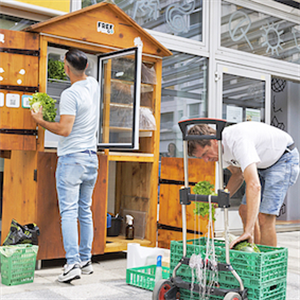
The project named Free-Go, which was launched in Geneva, was brought together with the needs of four refrigerators placed in various points of the city, while more than three tons of food was taken in front of the cabinets. According to the Food Waste Index Report published in the United Nations Environmental Programme (UNEP) 2021; the average 981 million tons of food is going to trash every year in the world. This figure corresponds to 17 percent of the total food that all consumers around the world can access.
The year's person goes up to 100 kilograms of food per month]
Free-Go, which was launched in Geneva, Switzerland, is one of the projects developed to prevent food waste Home. The need for individuals and restaurants were found in their hands within the scope of the venture is put in the refrigerators placed in various points of the city. People who need can also get products placed in cabinets without paying any fee. The Free-Go Project Director Marine Delevaux said that the initiative details carried out by the non-profit organization called Eco-Citoyen were wasteed every year, according to official figures in Switzerland. A waste in this size, Delevaux, which expresses that the project is router at the start point, comes from home to 40% of food waste in the Swiss. This means that 100 kilograms of food waste per year. On the other hand, we know that these wastes can pass 80 percent. The main message of the project said that using Free-Go refrigerators is a mission of citizenship and the person should avoid food waste regardless of their social status. [
Within the project, which was implemented in the summer season of last year, Marine Delevaux stressed that they put four refrigerators in various parts of Geneva, where people can easily reach and select the regions where they socialize. Delevaux, who also reported that they collaborate with local executives, draws the gold of people who need to choose where they live more.. Delevaux noted that a portion of the food in the refrigerators was taken from restaurants and shops where they were dealt by their teams and placed in cabinets, some of which were placed by citizens.
Can drop dry foods in accordance with the rules of process]
The products left to the cabinets and the rules for the placement of these products are determined by the Marine Delevaux, which stated the rules as follows: "Citiers can leave dry food products, which are suitable for the consumption rules of Switzerland. On the other hand, it is forbidden to release meat and similar foods, packaged products. Because we don’t know the last usage status. We are only at restaurants. We have a legal agreement on this topic with restaurants. We do not accept the food made at home due to the possibility of having allergen content. According to Swiss laws, it is necessary to be accessible to warnings required to lead to food content and allergy to such distributions. We also do not accept products containing alcohol. Delevaux recorded that the refrigerators are responsible for the control of their consumption status with the expiration dates of the cleaning and products, said Delevaux was created according to the laws set to ensure the security of food consumption and distribution of Swiss agreements with the following rules and restaurants.
"The players surprised us too"]
]Marine Delevaux, which states that the most vegetables and bread are subject to the refrigerators, the interest of citizens is dense, continues: "Users often demand for new Free-Go refrigerators to other places of the city. In the morning our colleagues divorce the refrigerator in a few hours when they leave the food they supply from restaurants. We just passed three to more food waste in one year thanks to a refrigerator. Other cabinets also to capture the same figure if there is not yet a year in place. The numbers surprised us. The refrigerators are actually not so big but the circulation is very dense. "
]
[
“Ciddi is a food, source and energy waste available”
In order to save more food from going to trash, the number of refrigerators has completed the Marin Delevaux words, which draws attention to eight in the next year: "If you look at the global perspective, there is a serious food, resource and energy waste. There is also a financial burden. Because we skip our resources to aside. While there are many people who can’t find food to eat privately, we are very painful to waste our lives. That’s why we try to help people who don’t even know about food waste, contribute to social solidarity, both food and more food. "
Source: Sustainable Living