


The use of heavy fuel oil in arctic waters is prohibited
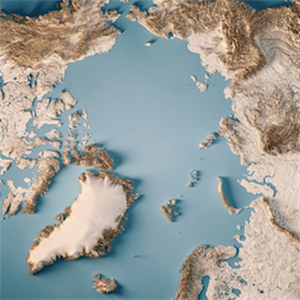
The use of Heavy Fuel Oil (HFO) that damage the most dirty and climate for ships in the aquatic waters. Black carbon, which is widely used in tankers in the world, cataque-like, thick but relatively cheap oil, is emitted by the combustion of HFO; causing great damage in Arktik by melting snow and buzu. The campaigners who say that the law will not be almost effective, indicate that many vessels may continue to use this fuel by 2029.
What is heavy fuel oil (HFO)?]
Heavy fuel oil (HFO) is produced from the remaining wastes in oil refineries and is a major threat to the oceans in general. For Arktik, this threat is greater. When this fuel is especially poured into cold water, it is noted that the cleaning is almost impossible. HFO does not separate, remains in residues and damage sensitive ecosystems. In terms of climate, this oil produces both large quantities of heat retainer gas and emits the particles of the institution called black carbon. Dr. Sian Prior from the Clean Arctic Alliance group, speaking to BBC, explains “Black carbon pulls heat while in the atmosphere and then accelerates melt by settle on snow and ice.” [
Muafities will take up to 2029][
The use and transportation of HFO was prohibited in Antarctica in 2011. The environmentalists struggled for many years to expand this ban to northern waters, and finally in 2021, the International Maritime Organization (IMO) convinced the countries to implement the ban. While there is a progress for activists to enter into force in the Arctic waters of the law, a large number of cavities in the laws are thought to limit the effect of this new application. According to regulations, the vessels with the ‘protection fuel tank will be exempted from the ban. Countries that have a limit to Arktik can recognize exemption from ships in their land. One of the largest players in the region, Russia has more than 800 vessels operating in northern water and does not apply the new IMO regulation. These exemptions will take up to 2029 and the effect will be big; According to the International Clean Transport Council, 74 percent of the vessels using HFO can continue this fuel.
Oil and gas tankers increase HFO usage][
Some observers think that increased oil extraction efforts in Arktik can lead an increase in the use of HFO in these waters. Dr. WWF Elena Tracy is a real factor that increases the use of oil and gas tankers HFO. We will see the increase of oil and gas projects in Russia Arktik and HFO volume will also increase with the use of LNG tankers. Campaigns hope that alternative fuels are available and the ban of countries operating in the maritime sector and Arktik are taken seriously. Norwegian is shown as a sample country for HFO ban.
Arktik has no luxury to lose time]
Norwegian government applied a strong HFO ban around Svalbard teams. In 2024, a Irish ship was sentenced to a million Norwegian krone (93 thousand dollars) for HFO used in this region. Campaigns indicate that Arktik is not luxurious to lose time and such actions are almost necessary. Dr. Clean Arctic Alliance group “The people of science say that we will see the first days without ice in Arktik in 2030, and that may even be at an early date of 2030.. In the next few years we need to reduce black carbon emissions and start limiting the use of these oils. We call countries to move faster. We spoke the maritime industry in the form of "we call it to do what is right."
Source: Environmental Protection