


The story of sports from the ground to the planet
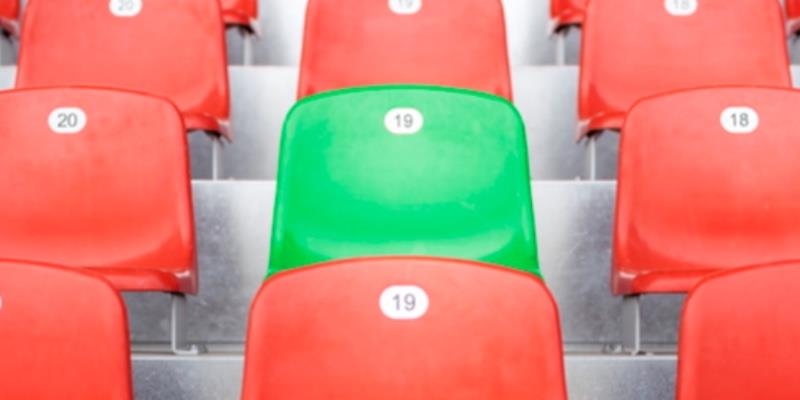
Sports has been added speed, power and competition for many years. The success score was held in the sign, the value was expressed with the trophies. But as of 2026, there is a deep transformation in the sports world.
Now the question is only who won. How much carbon did this organization produce? What material was made? What social benefit has created this investment?
While global sports economy continues to grow, there is a surge in the center of the industry. Carbon stadiumlesss, cyclic equipment design, biosome textile, data-supported efficiency and sports culture become the elimination elements of the new era.
Sport is no longer only performance space. A balance area between environmental responsibility, social impact and economic endurance. The competition on the site takes place, but the game is now playing in the limits of the planet. [[T]]]]
[[[T]]
[Carbon footprint new performance supply of sports
]
Global sports organizations are not now accessible with the number of audiences or broadcasters. Carbon footprint, energy consumption and transportation-source generators are also becoming part of success.
]
The major part of emissions in international tournaments is transportation and accommodation. The carbon load created by teams, fans and certificates of the environmental balance of the organization. Thus, many events start to develop renewable energy usage, carbon balance programs and sustainable transportation solutions.
New stadium generations are designed high energy efficiency, water recovery systems are installed and waste management plans become an integral part of the organization.
The organization that creates the harsh environmental impact is considered not only the largest organization. Expands the concept of performance in the sports world. A metric that does not appear on the score sign, but is critical for the planet.
[
Döngüsel design redefined sports equipment][
The transformation of the sport is not limited to stadiums only. There is a rooted change on the product side. Performance-focused design takes place into life-cycle-oriented approach.
Traditional sports equipment is often produced from synthetic and renewable-based materials. These products can be light weight, durable and performance enhancer g; but it creates serious environmental costs in production and waste phase. In the new period, brands turn back to polyester, biodegradable fiber and low carbon production processes.
The circular economy model is becoming popular in the sports sector. The rest of the products, repair and reuse is now part of the brand strategy. This approach not only occurs, but also converts consumption habits.
Sports equipment is no longer only performance tool; it is turning a frequency statement with its design, raw material and production model. is Competition not only on site but also in the supply chain.
]]
]
Technology performance combines with efficiency]
Sports technologies have been developed to increase speed, strength and durability for a long time. Today, the same technologies are used for welding efficiency and frequency.
Thanks to wearable sensors and data analytics, the training load of athletes is associated with disabilities. In this way, the risk of causing energy consumption is removed. The use of resources is more controlled while performance.
In the management of the operator, digital systems stand out. Intelligent lighting, energy monitoring software and water consumption sensors reduce the environmental impact of sports fields. Large clubs and organizations make their operations measurable by removing carbon inventory.
The data does not only generate a score. It also shows the way to create more effects with less resources. Technology in the sports world is becoming a sustainable tool for its competitive advantage.
A conversion beyond the recovery]
The transformation in the sports world is now clear. Performance is not only valid by speed and power. Carbon footprint, supply chain, product life cycle and social impact in disaster. [
Organizations are students at lower emissions, brands are turning to circular design, spinning technology welding efficiency. The game is changing. [
The sports ecosystem of the future will determine not only the logic, but also responsible areas. When success in the field may be permanent; but a model that is not compatible with the planet is not known. [
Source: Sustainable Living