


The return stories of genres Home
While the loss of iodinediversity persists quickly in many corners of the world, nature also shows us the return that gives us hope every year. In 2025, scientists and protection experts reported that the animal species in the verge of the neslinin passed the number. These success stories show that long-term protection works and efforts of local communities give concrete results. Below you will find the return story of five types that attract attention across the world.
Cape Akbaba: He gave ten years of effort fruit]
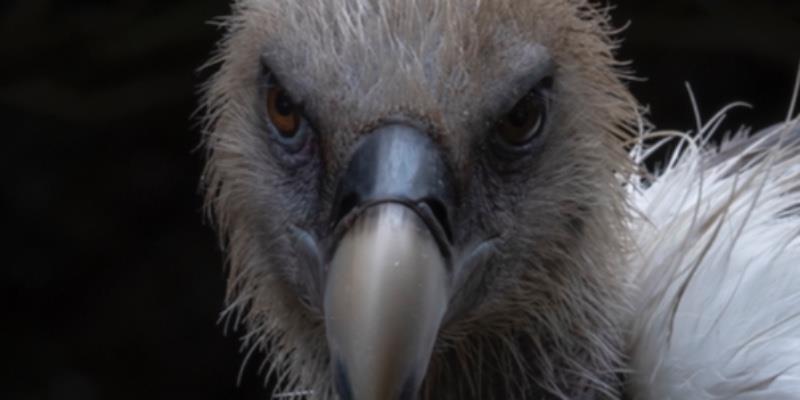
South Africa’s largest akbaba type Cape akbaba (Gyps coprotheres) had long been classified as ‘dehlike’. However, comprehensive protection programs improved the situation thanks to security measures in strengthened living space studies and electrical lines. As a result of the increasing number of individuals, the Association of Protection of the International Nature (IUCN) Red List status was increased from ‘hlikede’. This success is considered to be the product for more than half a century. [
Green sea turtle: A new breath in the ocean][
Green sea turtles (Chelonia mydas) spent hard days due to excessive hunting and loss of living space throughout history. In 2025, the genre has been upgraded to the category of ‘dehlikede’ from the IUCN list. This positive development was possible thanks to the widespreadization of turtle outlet devices (turtle allergenr devices) that ensure the ban of international trade, the preservation of nesting sites and avoiding fishing networks.
Campbell's Glass Snail: No santed type returned
Once destroyed Campbell’s Glass Snail (Advena campbelli) was discovered unexpectedly in Norfolks Island. For this small shell, the growing program launched by Taronga Zoo in Sydney results: more than 800 individuals have been raised since 2021 and marked 340 were released to Norfolk Island National Park. Monitoring studies show that snails continue to multiply. This is the evidence that the type is completely lost.
Bali Spinach: Local protection traditions have noticed
]]
Bali Spinach (Leucopsar rothschildi) was represented only with six individuals in the wild nature in the past; due to severe hunting and habitat loss, the population was significantly reduced. However, in the Nusa Penida Island in Indonesia, the traditional protection laws, protection projects and captivity began to reproduce such as six production programs. In the beginning of 2006, the population in the island appeared on the face and recorded hundreds of individuals in the National Park of Bali Barat.
[
Choose Turn: Migration routes were protected, population increased
]]
Siberian Turn (Leucogeranus leucogeranus) was among migrant birds under critical danger. However, studies on the protection of critical accommodation areas in migration roads between Russia and China led to an increase of approximately 50 percent in the last decade of the species. This is an important example that shows how effective the protection of strategic living areas throughout the long migration route.
What do we learn from the resurrection of the body?]
This five examples reveals powerfully that their protection efforts work. Long-term commitments, local support, legal protections and scientific data-based interventions can reverse the process of destruction of types. These achievements are not only rare success stories; examples that show how strong the toughness capacity of nature with the right strategies. We can also be able to fall on our top to increase such achievements as individual, community and global society. [email protected]
Source:]
Mongabay, Road to recovery: Five stories of staging a comeback (Shreya Dasgupta, 31 December 2025)
]]
IUCN Red List data[
Reports of Taronga Zoo and local protection organizations[
Source: Ecosystems