


The agriculture of the future is hidden in the past
In our day, farmers are looking for natural and sustainable solutions due to the negative effects of increased harmful insect attacks and chemical pesticides. As a result of this search, a former agricultural technique called trap plants (trap livestock) becomes re-populated.
What does the plant mean?][
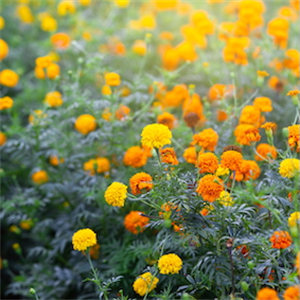
Salt plants are defined as plants that protect harvest from the main product that threatens agricultural production. Harmfuls are less damage to the main crops as they are directed to these plants and minimizes the use of chemical medicine. For example, velvet blossom (marigold) secretes special compounds that print root-ur moistureatodes. These compounds prevent the pests from being damaged by the root system of velvet flower, while avoiding damaging other plants in the environment. In addition, some trap plants not only attract pests but also increase dusting by pulling bees and other useful insects into fields. This contributes to further balanced agricultural ecosystem while increasing product yield. [
Why do they turn to trap plants?]
Although the use of chemical pesticides increases agricultural yield, negative effects on the environment and human health are becoming more pronounced. While pesticides damage the ecosystem by polluting soil and water, pests gain resistance to these chemicals over time. This situation increases the costs by pushing farmers to use more drugs and makes production processes not maintained. For these reasons, using many farmer trap plants, they tend to control pests in natural ways. Salt plants protect the main attachments by pulling pests to them and reduce dependence on chemical pesticides. Thus, it consists of a healthier agricultural ecosystem and provides an economic advantage for farmers.
Producing examples from the world
Salt plants are used as an effective method in fighting pests in different regions of the world. In the province of Maharashtra of India, farmers are surrounded by adding velvet flowers around the pepper fields and controlling humatod and other pests in natural ways. In Italy, the damage caused by fleas are reduced using plants belonging to the mustal family in sugar beet areas. In China, the density of white flies is reduced by corn cultivation in cotton fields. These applications contribute to making agriculture more sustainable while reducing the use of chemical pesticides.
Source: Sustainable Living