


Poisonous facts in food: Fake pesticides
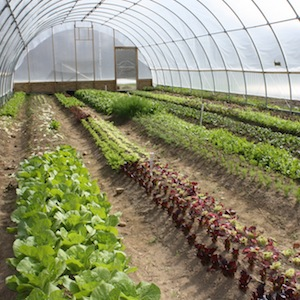
Daily, the culture plant on 70s with economic importance in Turkey is grown in which these plants have no disease around 500, harmful and foreign grass types. “Therefore, at the wind of the inputs that need to be used to increase yields and quality score from the unit area. Agricultural food consumption 3.5 million tons in the world, 60 thousand tons in Turkey. But there are very important to fight in this field.” said, he said, the words he had as follows:
[[T]]]] [[[T]“Baking 6 years ago put into practice the prescription system, but there are huge unknowns in this area. The drugs are allowed by the ministry have received a license 30 years ago. Agricultural engineers also have the ability to write these drugs in the threat. But in this 30 years, the effectiveness of the drug average of course. So this dose for the farmer does not come enough, it also shows that the plot is twice large to prevent insectsing, so do not write too much for the reason. After all, the dosage of the drug in the prescription is used in a semi-haled area from the land push shows. Another problem is that there is no recommended drug by the ministry in products such as beans, spinach, pomegranate, parsley. There is a lack of serious advice on products such as this. Another vital problem is the lack of Supervision of the ministry. At the moment, the ministry controls what medicine are franchises. “
]
From the country, 98% of companies in Turkey came from China. In the past period, especially considering that sale of agricultural drugs from the internet is a huge increase in the sale of ambiguous drugs that “What we have in today increased on the interne Tags. The drug is cheap but in what there is not clear. ” said. Knowing that fake and leaking drugs are also an important problem, Sergeydic that fake and illegal pesticides have accessible the market value of 2 million euros.
[
While the use of agricultural medicine in Turkey within 32 percent of the Mediterranean head in the distribution according to the regions, the rates of other regions are as follows: 18 percent Aegean, 17 percent Domestic Anatolia, 17 percent Marmara, 12 percent Southeast Anatolia, 3 percent Black Sea, 1 percent East Anatolia Region.
For detailed information about the news please see ]].
]]
For detailed information about the news please see ]].