


More efficient production with less water at World Water Day
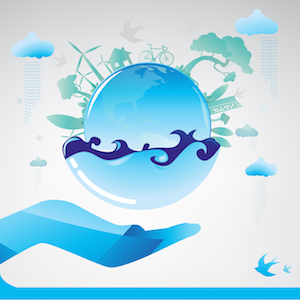
7 December 1972, the world photo that Apollo 17 team took from space can be easily taken into account most of us. This photo has a very reasonable reason to say Blue Marble (Blue Bilye) to this photo: our world is a water-coated, azure planet. There is still no benefit from this blue. 97% of water on earth consist of salt sea and ocean waters. The large part of the sweet water with only 3% of a orana is in the form of mountain iceuls and polar buzu. In summary, about 1% of the water resources on the earth are available.
[[T]]] [
Our life source water as it is understood from the trages, leave the poem to be “bedaway”, very scary and so precious. A great chance to wash our face with water flowing from our taps. Because there is no access to clean water sources of about 750 million people worldwide based on BM data. It threatens the life of 1,4 billion people living in 110 countries. [
The table is not so bright when we look at the special of our country: As Turkey has not been considered as a rich country of water, it is estimated that with its increasing population, developing industry and rapidly growing cities will be a country that attracts water shortage in 2030 of our country.
Over the past 50 years with economic growth and rapidly rising population, global water consumption is expected to increase by 18% in developing economies, in the next 10 years. In summary, the need for water is increasing every day.
Over the past 50 years with economic growth and rapidly rising population, global water consumption is expected to increase by 18% in developing economies, in the next 10 years. In summary, the need for water is increasing every day.
How much water is used? Water consumption is divided into domestic, agricultural and production. In domestic consumption, water installation, white goods, fixtures and reservoirs give positive results. The use of methods such as drip irrigation in agricultural production allows water saving and measures salting and erosion of the territory.
If the water used in the production saves, a chaining effect reveals. Water is one of the most important inputs in production. 10 liters of water is consumed to produce a page paper. Full 91 litres if the footprint of 500 grams of plastic in water. Approximately 400 percent of the demand for water used in production between 2000-2050 is expected. Therefore, studies aimed at sustainable use of water in production are important.
]
Water efficiency projects include mind, waste water treatment and reuse, collection of rainwater, modernization and maintenance of machine equipment park, water-efficient tap and installation materials. Moreover, these types of projects provide significantly added value as they trigger many different areas in the production process. With water efficiency projects, energy cost, raw material use and repair costs are reduced, while the greenhouse gas release is also reduced. As a result of all these studies, with the efficiency provided in the production process, more and more quality products appear.
] [email protected]
The most widely used sectors include food, beverage, textile, agriculture, energy generation, marine, entertainment and production. With many innovative efficiency applications in these sectors, it can save different proportions in water. For example, some big beverage companies continuously reduce the water used in production facilities for the last 10 years. The water used in swimming pool, shower and wash basins in a 500-room tourist facility can be saved about 30,000 m3 water annually with reuse in areas such as irrigation and cooling tower. In a large-scale chemical production facility, automaticized systems and high-tech equipment can reach 130.000 m3 levels of annual water saving.
Production, consumption and more importantly the importance of water for life in the middle. It is necessary to organize every area of life according to the sustainability of this valuable asset. Because it is connected to the smart use of the water that produces more with both a sustainable future and less resources.
This article has been published in the Sustainable Vision corner prepared by the TSKB contribution of the World newspaper.
Source: Sustainable Development