


Microplastic to carbon storage: Super trees of nature
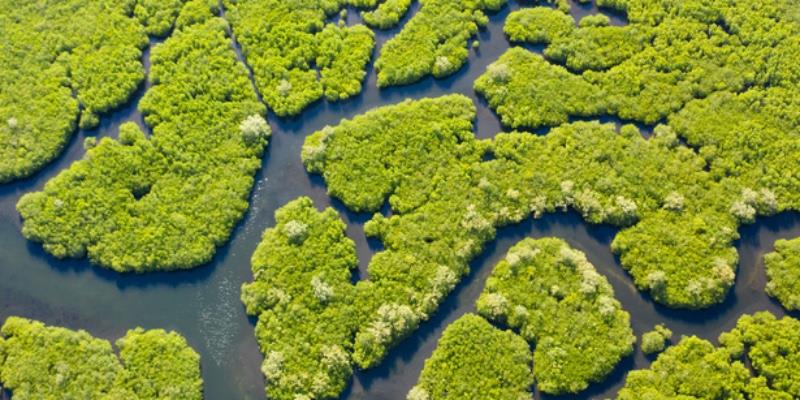
Trees produce oxygen, carbon stores, provide shade. But some kind of do much more than that. Microplastics clean from water, heavy duty cars, protects the coast from storms, regreen the broken terrains.
These types of grow fast, require minimal maintenance and offer solutions to multiple environmental problems. Here are the examples of nature-based solutions.
[[T]]Moringa: Microplastic solution from Ancient Egypt[[[[T]]]]]
Moringa Oleifera is called "mucize tree" due to its dangerous benefits. It is thought that ancient Egypts use water to drink. After thousands of years, modern science conscious how effective this leader is.
In April 2026, followed by State University of São Paulo in Brazil showed that a salt-based extract from the seeds of moringa removed from 98% of PVC microplastics in drinking water. This proportion is the same level with the common chemical substance-resistant bladder (wood) in water treatment.
]]
There is a complaint of the screed: some studies discuss that high exposure can be associated with neurological risks. In addition, screed production requires removal of boxide enamels with open space. This means deforestation and high carbon emissions.
Moringa is a plant-based, non-toxic alternative. Both screed and moringa work by neutralizing the negative electric load of microplastic particles. When the loads are removed, particles are collected in larger clusters and can be kept with sand filter.
There are also benefits beyond the water treatment of Moringa. Fast growing, resistant to drought, low water needs. It functions as a carbon tank, can develop in dry and broken soils. The leaves are used in protein and vitamin-rich, insufficient nutrition treatment.
Wide range of uses it remarkable: from water treatment to nutrition, from disease treatment to anti-aging products.
[[
Bambu: 1 meter cleaner per day
Bamboo is the bunker plant in the world. It can grow up to 1 meter per day. This is faster than okaliptusten ( 0.6 meters per day) and poplartan (0.5 meters per day).
Located in Asia, South America and Africa, bamboo grow around 37 million hectar areas worldwide. 1.439 types have and provide advantages.
One of the most remarkable features of bamboo is phytoremediation, thanks to the ability to clean plant-based soil. heavy metals such as cadmium, chain and lead can be absorbed from the soil. Naturally growing in acidic soils, which provides a great advantage in exceeding negative pH conditions.
An ideal solution for old mine areas and broken terrains. Fast growth, high biomas production and short harvesting cycle make more advantageous than traditional hyperconductive plants.
]
Bamboo is also a strong carbon swallow. Due to its rapid growth, it turns and stored a large amount of carbon from the atmosphere. A study published in November 2025 revealed that the bamboo performs perfectly in neutralizing the land distortion.
Economic value is also high. Used as paper, furniture, construction material. The global bamboo market in 2024 was worth $67,13 billion. The annual growth of 4,7 percent between 2025-2030 is expected. [
Bamboo is also used in the production of biochar (biocurure). Biocharact soil efficiency, supports carbon retention and enhance environmental fluid. It is also used to relax and heavy duty in wet areas and soil cleaning work.
Mangrove: 5 times stronger carbon tank from terrestrial forest
]
Mangrove Angular, silent heroes of coastal ecosystems. Carbon holding capacity 3-5 times higher than black tarpaulin.
Global carbon reduction targets predict to reach clear zero emissions up to 2050. Coastal ecosystems contribute to more than half of the ocean carbon retention. Mangrove expanded them stand out with high carbon embedding rate.
The main reason why Mangroves are so effective is complex air root structures. These skirts keep fine Tags. Due to the conditions and conditions under water, the percentage of organic carbon is protected in sedimentation and fine root system. This creates a long-term carbon swallow.
But mangroves not only keep carbon. It protects the coast from storm and tsunamis, providing thousands of marinade of living space, supports fishing, creates tourism revenue.
A study published in Nature Communications in 2021 showed that mangrove biodiversity direct access to carbon storage capacity. Carbon storage capacity is also available as variety of types.
But mangrove minimized in global scale. The area, forecast in the 1970s, 225.000 sq.m., fell about 137,000 kilometers from 2014. [
Restoration works are done. Beliz targets 12.000 hectar mangrove protection and 4,000 hectar passes up to 2030. The role of mangroves in fighting climate change. [
[Neem: natural hunger power of indian lichen
]
Neem tree (Azadirachta indica), specific to India and Southeast Asia. It is known as "Köy pharmacy".
The most important feature of Neem is natural mixed effect. The leaves and seeds are used as insect flies. Chemical medicine is preferred in agriculture. It also has antibacterial and antifungal properties.
He plays a role in dirty. Nitrogen reduces the value of the soil. Resistant to drought is easily grown in warm climates.
Neem oil is widely used in organic agriculture and gardening. Also useful for human health: there is a wide range of use to skin treatment in terms of teeth.
Other types of high environmental benefit
Söğüt (Willow):[[]]] Fast water absorptions with root system. Heavy Duty clean from soil. Used for bioenergy production. Preventive [
Rock (Pops): Fast growing and effective in phytoremediation. This kind of oil, heavy metals from the soil. Economic value in paper production. protects the soil as wind cavity.
They are not a solution on their own
These trees have impregnated. But they can’t be a solution to climate pollution and environmental pollution. [
Moringa is effective in water treatment, but can not solve the global microplastic pollution alone. Bamboo cleans heavy metals, but it is more important to avoid pollution at welding point. Mangrove holds carbon, but it is possible to provide carbon balance without dangerous fuel consumption.
These types should be part of handset solution package. Reduce pollution source, developing sustainable production and models, resulting in perform ecosystem.
There is also a scale problem. Moringa was successful in laboratory conditions in water treatment, but it has not been completely tested on the industrial scale. Mangrove requires great investment and some projects perpetrator.
Yet, this nature-based solutions hope. It shows that it can give strong results when waiting with technology. Fast growth, low needs and tricks make them valuable.
Can I save the planet? No. But as part of the right strategies, they can provide significant strength. [
[[
]]Source:[
]
Phone: +90 212 274 20
Source: Ecosystems