


Living Blue Planet is forced to breathe
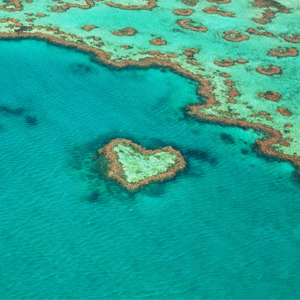
WWF is under the lens of the sustainability of life in the sea with the Living Blue Planet Report, which is released last week. A data base developed by London Zoology Association (Zoological Society of London) researchers and report based on analysis made by Living Planet Index, coral rocks, mangrovlar and sea teabers, as well as living space for fish stocks.
[[T]] Behind this danger lies in the change seen in the seas and this change consists of increased kneeling of processes that trigger each other just like climate change. Minimize sea creatures with extreme hunting, seas are dirty with such industries as mining. Coastal development projects that have been implemented without environmental impact assessment damage to beach and seas. The effects of global warming are not empty and leads to acidization of oceans by increasing the heat of the seas. All these factors are greater than the resulting damage when combined: the damaged ecosystem because of pollution is not able to wrap the wounds of excessive hunting or eliminate the effects of global warming. [[
WWF states that even if the picture is such, it is possible to create a living ocean for everyone with governments, business world and civil society. The Single Planet Approach adopted by WWF offers different recommendations from green investments and incentives to fair management of resources with food safety. Accordingly, the society falls in different segments:
]
]
- Protect natural capital with ecosystem repair. [
- Producing better with sustainable fishing and sustainable tourism.
- Eat more rational with sustainable seafood, responsible tourism and energy efficiency.
] If you need to share a few strings...
- Global fish consumption per person from the 1960s to 2012, almost two times rise, from 9,9 kg to 19,2 kg.
-29% of world fish stocks were consumed.
[email protected]
- Half of the corals in the world, there was no three of all the sea teas. [
[
[
- If temperatures continue to increase in this way, in 2100, okayanus will be 3 to 5 degrees warmer. In this case, as of 2050, coral rocks will be completely destroyed.
- More than 25% of the species living in the sea live in coral rocks.
[- Around 850 million people around the world benefit from economic, social and cultural services of coral reefs.
- Unforestation in Mangroves, 3 to 5 times more than average global forest loss rate.
- One third of oil and gas is removed from open seas. The rising demand for these resources increases interest in deep sea beds.
[
[[
- Over the last 20 years the sea traffic was 4 times as the most Indian Ocean and Western Pacific.
[
[
[
[
- Each year 8 million tons of plastic waste are thrown into the oceans.
[[
Please click ] to read more details. [
Source: Announcements