


How does plastic pollution break balance in water ecosystems?
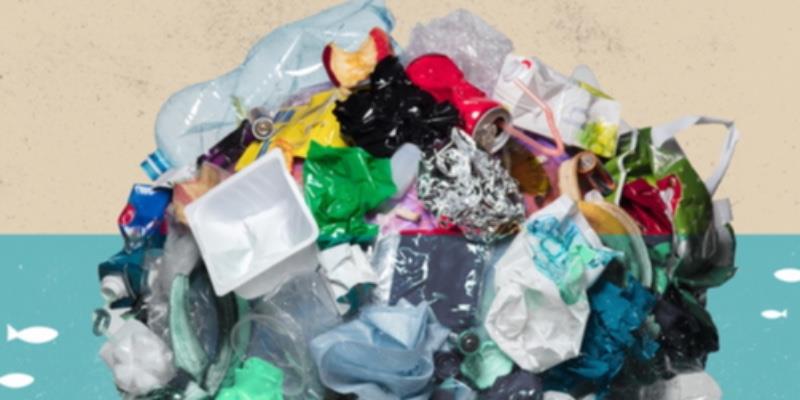
Plastic pollution is often discussed through waste management and image pollution. Yet recent scientific findings show that microplastics create much deeper and indirect effects in water ecosystems. A new research reveals that fossil fuel-based plastics trigger alg explosions, causing water quality hazard.
]The trigger that does not appear in the exiles]
Harmful algae explosions are among important environmental problems facing lakes, rivers and coastal ecosystems across the globe. These explosions can lead to the closure of swimming areas due to the production of toxins, the risk of drinking water resources and the death of a large number of water creatures. The main reason for this problem for a long time is showing agricultural flows and nutrients carried with waste water. However, a new study indicates that plastic pollution can be an important factor that speeds up this process. [
How does microplastics affect the ecological balance?][
According to the research, fossil fuel-based microplastics create negative impact on small water creatures such as zooplankton fed with algae. Reduction of these creatures leads to weakening the mechanism controlling algae from natural ways. After all, algler quickly multiply and leads chaining effects across the ecosystem by disrupting the oxygen balance of water. In the study, biodegradation (Bitki and animal-borne wastes) plastics were observed that they did not pose a similar effect. It is noted that such plastics are much more limited to pressure on zooplankton (water ecosystems, microscopic organisms) populations.
What do they show?
The researchers used experimental water pools to compare different types of plastic. While the number of zooplankton in the environments with fosil fuel-based plastic is significantly reduced, the density of alg has increased rapidly. The balance of the ecosystem was largely preserved in the pools used in biodegradable plastics. These findings reveal that microplastics are not only a chemical pollution element but also can change ecosystem functioning through the food chain.
What does it mean for environmental policies?]
Research shows that fighting plastic pollution should not only be limited to reduce the amount of waste. Differences between plastic types are critical to environmental impacts. Experts highlight that transition to biodegradable and environmental-friendly materials can reduce pressure on water ecosystems. However, researchers draw the gold that all biodegradable plastics should not be done in the direction of being completely harmless. Every new material needs to be scientifically tested how it behaves when it comes to nature.
[
Active alert
]
This study reminds how many times the plastic pollution is nested with climate, biodiversity and water safety. Understanding the causes behind Alg explosions are better and offering an important step in terms of shaping both environmental policies and consumption preferences scientifically.
Source:
This article was published in Phys.org and carried out by University of California San Diego researchers and was prepared by the scientific study published in Communications Sustainability magazine in 2026. [email protected]
Source: Environmental Protection