


Fuji Mountain loses snow grains
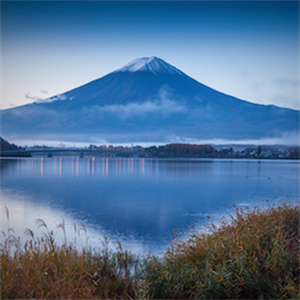
Fuji Mountain, which is the highest mountain of Japan and is located in the UNESCO World Heritage List, this year has remained unstable until the end of October. This delay comes to the latest date recorded for 130 years. Normally snow-coated is seen as a messenger of the arrival of this peak in winter. But excessive temperatures delayed this process. Japan Meteorology Agency reported that the summer season in the country is the hottest article for the last years, and it maintained its effect until autumn. Between June and August months, temperatures broke out the temperature record of the country by over 1.76 °C of the normal. With the transition to autumn, at least 74 temperatures over 30 °C were recorded in the city.
Turism effect big[
[[T]]Fuji Disruption in the snow cover of Mount reveals the effects of global warming. Due to the climate crisis, the more extreme life of seasons is not only natural cycles, but also local economies, water resources and tourism are directly affected. Especially in Fuji Mountain, walking and climbing season took new measures such as tourist tax in the last period to check the extreme crowd of Japanese authorities while attracting millions of tourists every year. [
[
Effective on communitys and economies[
This snow delay requires not only weather of climate change, but also long-term effects on societies and economies. For example, in the last 40 years in many regions of North Hemisphere, a reduction was observed. Many scientists in Japan and around the world defend their temperature rise under 1.5 °C, it is very important to avoid such negative effects. The delayed snow formation in Fuji Mountain gives us important signals that we should consider about climate change.
Sources: Japan Times, CNN, Climate Central
Turism effect big[
[[T]]Fuji Disruption in the snow cover of Mount reveals the effects of global warming. Due to the climate crisis, the more extreme life of seasons is not only natural cycles, but also local economies, water resources and tourism are directly affected. Especially in Fuji Mountain, walking and climbing season took new measures such as tourist tax in the last period to check the extreme crowd of Japanese authorities while attracting millions of tourists every year. [
[
Effective on communitys and economies[
This snow delay requires not only weather of climate change, but also long-term effects on societies and economies. For example, in the last 40 years in many regions of North Hemisphere, a reduction was observed. Many scientists in Japan and around the world defend their temperature rise under 1.5 °C, it is very important to avoid such negative effects. The delayed snow formation in Fuji Mountain gives us important signals that we should consider about climate change.
Sources: Japan Times, CNN, Climate Central
Source: News