


Fermente future
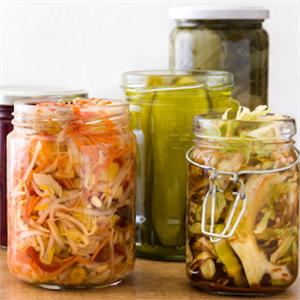
The food waste, one of the biggest problems we face in the process that extends to the consumer across the world, is not only economically boiling, but also a serious environmental threat integrated with climate crisis. Water, soil, energy and labor spent in the production of garbage-dried foods, coupled with the greenhouse effect of methane gas formed by rot organic wastes, while referring to a dungeon alone. Here at this point, the fermentation extends to thousands of years ago is getting a new pale in the modern world.
enriches the value of besin[
Fermentation is only robust to store the food for longer periods of time; it also enriches the nutritional value, creates health-friendly probiotics, transform waste materials into valuable products. This technique can transform the food waste from kimchi to misoya from sauerkraut into a environmental advantage, one of the most urgent needs of the age. Nowadays, food waste in the global sense, CO2 (carbon dioxide) instead of damage to the environment with high impact strength and loss of resources, fermentation is fully reversed by this equation: less consumption, longer patience, healthier age. This conversion means reexploring an inheritance from the past as an effective solution against today’s biggest environmental problems. [
A fermentation from the future
]
Fermentation is not only a food retention method; a transfer of information that accompanies human history, a life practice. When boiling tarhana in Anatolia, what is done when preparing kimchi in Korea or miso may be taken in Japan is actually the same: understand the rhythm of nature and live in harmony with it. This traditional knowledge, especially in the countryside in Turkey, has been relive in urban kitchens in recent years. It is moments that we contribute to the sustainability of fermentation without actually notice that the tomatoes that have been kept hundreds of grazings, sourd milk. But the matter is not only nostalgia. This old technique also produces solutions for today's problems with a new understanding.
It is possible to convert candidate foods into long lasting products
]
Fast consumption habits brought by city life lead to the creation of food waste in the most homes. However, a jar vinegar is able to convert food into long-lasting, nutritious products, which are candidate to be wasted with a piece of cabbage or sour yeast. Moreover, this conversion does not only contribute to home economy; it creates a serious difference in terms of waste management, carbon release and welding efficiency. In the world, this transformation was converted to a ‘hareket’. The growing home-type fermentation communities in the US and Japan, not only produce food; but also brings together individuals who want to reconnect with nature. For example, Koji manufacturers who live a hundred-year heritage in Japan, are now developing applications that turn many wastes from the coffee wire to plant fertilizer. Similarly, food cooperatives in many cities in Europe are reducing both waste and strengthening community economy.
A quiet revolution in the fight against the attack][
Fermentation, low cost but high effective solution. Reduces the food waste, prevents the residue of organic garbage, relieves pressure on agricultural production. Moreover, this conversion does not require giant investments or complex technologies. A jar starts with some time and knowledge. Therefore, it is critical to support local, accessible solutions such as fermentation in the fight against climate crisis. It is possible to include this method to the management strategies of municipalities food waste, to bring part of educational programs, to be placed in community kitchens. This is the old but up-to-date information is more visible, not only to the environment, it will contribute to more resistant and conscious societies.
Source: Sustainable Living