


Does excessive hots accelerate aging?
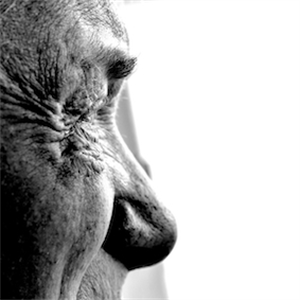
It turned out that increased hot air waves can not only have instant health problems, but also effect on aging process in the long run. From the University of Southern California (USC) scientists published a new research that shows that more exposure to extreme hot people are accelerated by the biological aging process. According to the research; observed that individuals who live in areas where temperatures live in high levels of observance are faster.
The risk of disease and the possibility of early death]
Jennifer Ailshire, the senior author of the study and Professor of USC Gerontology and Sociology, states that the biological age of individuals exposed to hot weather is higher than those who live in cool areas. Biological age is a measure of how the body works at cellular, molecular and system level, unlike chronological age based solely on the date of birth. The higher than biological age, indicates the risk of disease and the likelihood of early death. Although the negative effects of excess warms on health are known for a long time, with this study, the thought that temperatures can speed up the aging process is more important. [
The risk is increased with change]
With the effects of climate crisis, the number of extreme hot days is increasingly known. Especially older individuals are located in a more sensitive group against hot air waves. Stress mechanisms in the body are activated depending on temperature rise and the possibility of damage to the cellular level is increasing. This new study of USC reveals that hot air exposure can not only create short-term health risks but also accelerate the aging process.
More effective policies should be developed for millenn
These findings indicate that city planers and healthcare authorities should take more precautions against hot air waves. Creating more shadowy areas can play critical role in increasing green areas and creating refreshing centers for the old population, reducing temperature-source health risks. It also suggests that individuals do not stay dehydrated in extreme hot periods, they do not stay out for a long time in the hours where the sun is most dense, and in cool environments.
Climate change is not only an environmental problem, but it has become a crisis that directly affects human health. This new finding about how extreme warms can speed up aging is once again inventing more effective policies in fighting climate change.
Source: Sustainable Living