


Can microplastics turn into solar energy?
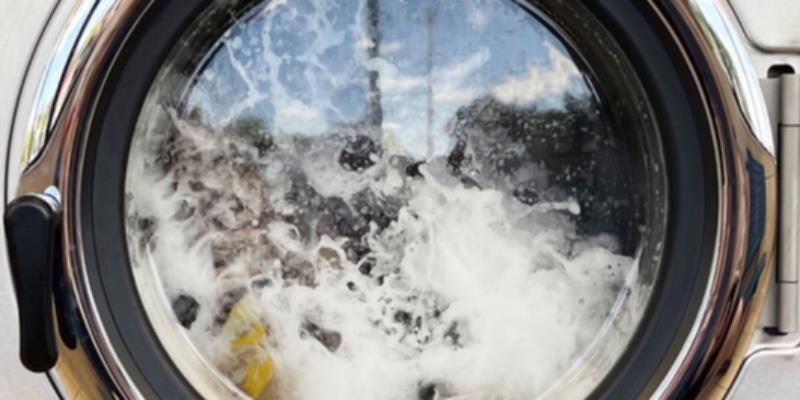
The microplastics that appear during washing the centetic clothing are considered a significant source of pollution for a long time for water ecosystems. A new academic study conducted in Turkey with this problem from a different framework. Microplastics from washing machines are shown to be converted into a material that can be used in solar batteries with proper operations.
The research conducted by Recep Tayyip Erdoğan University academicians bringing renewable energy technologies on the same ground with the aim of poverty microplastic pollution.
[[T]]]Why does microplastic pollution grow?][
Synthetic textile products release microscopic laminate in every wash. These laminate go through the purification plants by mixing waste water and reach ecosystems through rivers and seas.
Research shows about 8 percent of microplastics mixed in seas in Europe. This rate on the global scale is estimated to var from 16 percent to 35 percent. This data indicates that 200 to 500 thousand tons of synthetic fiber is mixed into aquatic environments with only washing process.
]]
The low-quality and short-life clothes leads to faster intervals of these fibers and a higher amount of microplastic release.
]
Effects on sea ecosystems
]
Microplastic fibre can reach the bottom rings of the marine food chain. Even in the stools of small creation with the basic source of bitterness of fish such as Hamsi, reinforced microplastic bond.
These stones reveal that synthetic bonded by waste water are not only a physical pollution element, but also affect the functioning of the marine ecosystem.
]]]
Prof. Dr. Vagif Nevruzoğlu, Faculty of Engineering and Architecture at Recep Tayyip Erdogan University, was students at recovering fiber-type microplastics from washing machines.
]]
Within the scope of research, the magnetic, electrical and optical properties of microplastics obtained from waste water were reviewed. Due to boron used in washing, these microplastics have been determined to carry boron element. This feature showed that the material can be used for solar batteries.
]
[
The use of microplastic in solar cells
]]]
Microplastics derived from waste water filtration and centrifugal operations have been tested into a liquid and capable structure. This material is spread on silicon layer used in solar batteries and is dried at about 150 degrees Celsius.
With ultraviolet light application, a silicon surface with p-type absorption to the microplastic structure with boron. Thus, a solar battery powered in the laboratory scale was produced.
This method has the potential to reduce costs in production of solar battery.
[What does it say in terms of traditional economy?]]
]
This study shows that microplastics can be converted into a valuable input not only as an environmental waste, but with the right methods. The capture of microplastics in the source of water pollution, also contributes to the cyclic economy and clean energy. [
The method has been registered with patent on 13 December 2025. [
[
]]]Washing-welded microplastic pollution stands out as a multi-layer problem, sizes from individual consumption to textile production models. This research shows that the solution does not only be limited to poor pollution, rethink waste also offers a powerful tool.
Although the use of microplastics in energy technologies is not enough at an early stage, such as science-based studies reveal that environmental problems can develop innovative and rational solutions.
Source:
Prof. Dr. Recep Tayyip Erdoğan University, Faculty of Engineering and Architecture of Water Products, 2025
Source: Environmental Protection