


African premiums continue to be the victim of global trade
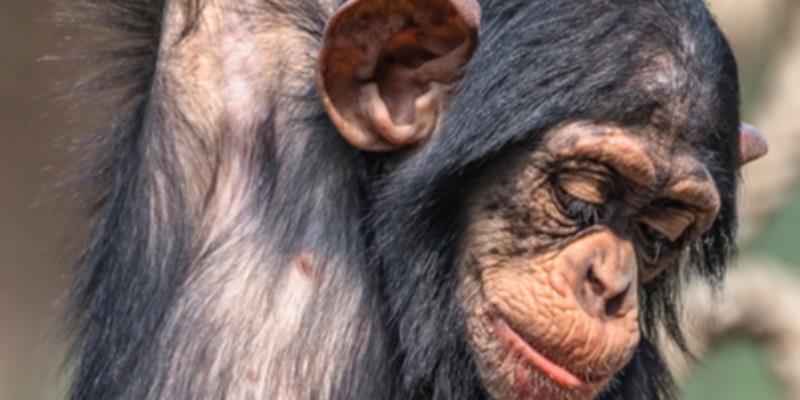
African premiums create one of the most fragile rings of biological diversity. The type of poempanzeler, goriller and many monkeys; living space loss, climate printing and threatened by human activities, while a global trade is visible and facing invisible effects. The data published in recent years shows that this trade is not only limited to illegal leakage, the applications carried out in legal frameworks also hosted serious risks.
According to international reports, thousands of African premiums in the last twenty years moved between countries with different grounds. Scientific researches, zoos and special collections are among the official causes of this mobility. However, inconsistencies in documents, audit gaps and increased demand leads to become a commercial meta of types under protection. This table clearly reveals why African premiums are still one of the most vulnerable actors of global trade.
[The size of trade with trage[
The data that shows how African premiums become part of a global trade network is stunning. According to international records covering 50 different countries between 2000 and 2023, more than 6 thousand African premiums were subject to trade in legal or illegal ways. At the beginning of these types, shames and goriller are coming.
]
Only 418 international transactions were included in the records of schempanzeler. Live individuals moved in 138 of these transactions. About 180 of them were lost as individuals with nature. This situation reveals the large part of schympanzes the natural habitat.
]Goriller is among the most scientific research and zoo transfers in the trade. Countries such as Germany, USA and Denmark are among the most importers. The exotic pet demand from Asia and the Middle East, especially, leads to the fact that the puppy of these species are provided by leaking means.
The data relating to illegal trade is more limited, because most of the leaking can not be detected. However, the case of 183 primate leakage between 2020 and 2023 was recorded. In these cases, schempanzeler watched them mandriller while the most seized species than 37 percent.
These figures are the only visible face of the iceberg. The frameworks set with CITES and similar international agreements are becoming permanent threat for species under legal and illegal trade protection when they are not supported with sufficiently effective audit mechanisms.
Why does not have to protect financial trade?]
International animal trade has been organized with agreements such as CITES, in particular under the danger of nesulting. However, these regulations are often insufficient due to both audit weaknesses and various explanations.
According to the reports, the legal trade of large monkeys such as schempanze and goril is mostly under the name of scientific research or zoo transfers. However, some transactions are missing, uncertain or suspicious.
Furthermore, some individuals who are subject to trade are covered with documents of age and source information. This is uncertain whether the trade is completely legal means, or whether it is done in illegal ways. The leaks that benefit from these gaps are able to circulate species from the legal system.
The problem is not only the presence of legal regulation; how much protection these regulations are applied, controlled and against abuse is crucial. Otherwise, even the trade that appears in “family” can come to the cover of the leaky.
]
The ecological and social cost of conflict
The largest price of leakage trade is not only a violation of the right of life of individual animals. Primates, particularly large monkeys, are taking critical roles in the ecosystems they are located. For example, schempanzeler and goriller are among seed distributors that play an important role in the reproduction of forests. Taking an individual from nature can disrupt the balance of a whole forest structure, not only a animal.
Moreover, premiums are slow-produced species. They often breed a puppy in four to six years. This means that every individual from nature takes a long time to come to the new one. Even a large number of animals can cause permanent damage for the future of the species.
Socially affects big. These animals live in complex communities. Killing or missing a group of individuals directly affects the social structure, learning processes and chances of survival. For example, the destruction of the family to miss a puppy creates a deep destruction both ecological and ethically.
In addition, the leaking network damage not only to nature, but also local communities. Non-governmental trade that is interconnected with organized crime networks increases abuse in poor areas, reduces transparency and secretes protection work.
Sources:
Sources: PASA, Mongabay, CITES, TRAFFIC, EAGLE Network[
Source: Ecosystems