


5 ways to reduce plastic dependence
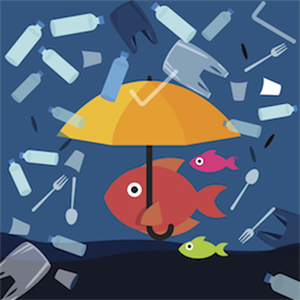
Plastic products come in the beginning of the most frequently used materials in everyday life due to being easy accessible and cheap. It is also possible to come across plastic types that can not be easily noticed except plastic used every day. These plastic varieties are called microplastics and plastic fibers. According to the United Nations Food and Agriculture Organization (FAO), the number of microplastics that occur in recent years with physical breakdown of plastic bags or packaging wastes is experienced in the increase of pellets, powder, household and industrial abrasives. Depending on this, plastic pollution in land and water ecosystems is also growing.
The threat of microplastic in food from sauce
Every day food from tables is also a microplastic threat. In recent studies, microplastics were encountered in many foods. In researches on sea creatures in light of this data, such as small types of fish consumed with the intestines, living creatures have been risky as they contain microplastics. Large fish species have been described as low risk as they are consumed by cleaning the intestines. The accumulation of plastic waste in water ecosystems is caused not only pollution, irreversible results. Dolphins and balinas live digestive problems, which can end death due to plastic bags, sea turtles food crates. [
Adaptive reduction in microplastics
5 ways to reduce dependence on macro and microplastics according to FAO:
1. Avoid disposable plastics
Simple and casual measures to reduce plastic usage Home. It comes at the beginning of the first steps that may be thrown in this area to stop using disposable plastics. 90 percent of materials such as plastic bags, stretch films, plastic coffee cups, often used in daily life enters the disposable plastic category. Given that plastic bag can be found in nature for 1000 years, disposable plastics bring a large waste problem. These plastics can turn into microplastics consumed by eating food by mammals, birds and fish in time. Recommend sustainable products such as cloth bag, glass storage container, ceramic mug as alternative to disposable plastics.
2. Know grated plastics]
]
Microplastic threat is growing in cosmetics and skin care products. It is possible to come across the skin care products to microplastics used as ‘xfoliant’, allowing dead cells to be removed from the skin surface. These microplastics that appear without damage can be preferred instead of oatmeal and natural exfoliants such as salt.
3. Move reusable water bottle
Plastic water and beverage bottles are shown as the most important sources of plastic pollution. More than 480 billion plastic bottles worldwide in 2016. It is recommended to use glass bottles and cups instead of plastic bottles to protect both the environment and human health. [email protected]
4. refuse to use plastic cutlery, knives, straws and containers
]
Restaurants and packaging services for businesses, plastic products are often used. Use products such as plastic cutlery, spoon, knives and plates make businesses offer cheap and effortless service. It is recommended to use metal cutlery, spoons, glass cups and pipette instead of hundreds of years of disposable plastics.
5. Back conversion alternative but very difficult
Recycling is seen as an alternative that makes it possible to reuse plastic waste but more than 70 percent of plastics are recycled. These plastics are poured into oceans, seas and rivers. It is estimated that about 5 trillion plastic waste in the oceans. It is easier to manage the recycling process if it prevents the use of plastic waste.
Source: Sustainable Living