


What plastic is recycled and how does this process work?
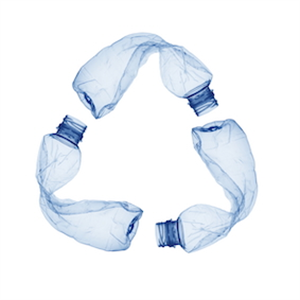
Plastic is one of the most threatening materials of the environment while making our lives easier. With the right recycling methods, we can reduce the damage of plastic waste to the environment. So, what plastics can be recycled and how does this process work?
]
Which plastics can be recycled?]
The recycling process of plastics differ in types. The recycle symbols and numbers on the bases indicate which plastics can be used again. [
Home PET (Polyethylene Terephthalate)
]
The most commonly used plastic in food and beverage packaging. Lightweight, durable and fully recyclable. Recycled PET is used in new plastic bottles, polar fabrics, carpets and sleeping bags.
Home HDPE (High density polyethylene)[
Available in milk, detergent and shampoo bottles. It is resistant to chemicals and can be converted into pipes, tiles and plastic crates when recycled.
[
Home LDPE (Low density Polyethylene)
]
Bread bags are a flexible plastic used in clamping bottles and plastic bags. It is reevaluated as a trash bag in some regions, although not accepted in each recycling program.
Home PP (Polypropylene)
]]
Widely used in yogurt containers, medicine bottles and hot beverage containers. Can be converted into broom, brush and plastic trays with recycling.
What are unable plastics?]
Some plastic types are not suitable for recycling by their structure and can damage the environment more.
Home PVC (Polyvinyl chloride)
Used in shampoo bottles, stretch films and garden hoses. It can not be processed as it emits toxic gases during recycling.
Home PS (Polystiren)
]
It is often known as strafor (Styrofoam). Used in packaging materials and disposable dining containers. Because the recycling is not possible, it contributes to environmental pollution.
Home Other
Plastics entering this category include non-reversible materials. Polycarbonate (including BPA) and bioplastics (PLA) are included in this group.
[email protected]
How does the plastic recycling process work?[
Plastics in recycling plants are divided into types before and are purified from pollutants. It is then divided into small particles by millencing or melted into granules. These granules are used in the production of new plastic products.
Why is it important to recycle plastic?]
Only 9 percent of plastic produced in the world are recycled. The remaining part is mixed into garbage, oceans and nature. It is possible to reduce waste by correct plastic management, shrink carbon footprint and protect nature. By reducing plastic consumption, we can create a more sustainable future by optimizing recyclable materials and applying the recycling process correctly.
Source: Earth.org
Source: Environmental Protection