


What does closed ecosystems teach us?
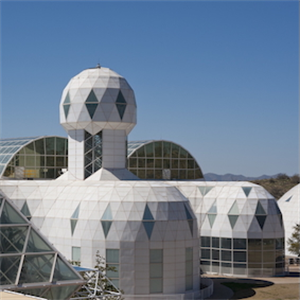
The change of our era is one of the most critical problems. Science emphasizes that the planet is increasingly faced with more ‘disable threshold’ points, applying for new methods to understand nature and see the future. One of these methods is human-made biospheres: huge closed systems that aim to recreate ecosystems under controlled conditions. Biosphere 2, located in Arizona Desert, is one of the most known examples in this field. This giant structure, which was founded in 1990s and often understood in the first years, is a unique research center for climate science today. According to a new article published by the World Economic Forum, Biosphere 2, which is once seen as a ‘naked experiment’, actually offers unique courses to understand the functioning of ecosystems and the relationship of human-doga. Biosphere 2 aims to mimic different ecosystems of the world by hosting ocean, rainforest, agriculture area and savana in it. Problems such as oxygen drop, ocean acidization and nutrition challenges in the first trials, not only show the limits of such experiments; but also gave significant tips to see the effects of climate change today.
The story of Biosphere 2]
Biosphere 2 was founded in Arizona Desert in 1991. The name was “Biosphere 1” that is the first and largest biosphere of mankind. The aim of the project was to explore how life can be maintained by creating a closed system that includes different ecosystems. This giant plant spreads about three acres, rainforest, ocean, mangrov swamp, savana and agriculture area. For two years, eight people agreed to live here in a way that is connected with the outside world. But this bold attempt was subjected to hard criticism of the press in the first years. The participants’ science has not been human, but their self-growing people in the environment, making the project often into the topic of teasing. However, problems that occur during the experiment – for example, the level of oxygen decreases rapidly, the absence of some species and the feeding becomes uniform – scientifically extremely valuable. Because these findings were how difficult to balance in a closed system and the world’s ecosystems work with a unique precision. Biosphere 2 has turned into an important laboratory for climate science over time, if it is understood by the ‘faility’ tag in the first place.. The facility, which is operated by Arizona University today, is hosting courses from both past experiences and looking for doors to new research. [
The effects of climate change on nature and human[
Biosphere 2 and similar experiments did not only show the challenges of life in a closed system, but also presented stunning lessons to understand the effects of climate change on nature and human.
1. Gas balance is sensitive. The oxygen rate in the experiment dropped from 21 percent to 14.2 percent in a short time. Intense carbon dioxide consumption of soil bacteria disrupted balance in the atmosphere. This finding showed how sensitive balances the world’s atmosphere actually run (World Economic Forum, 2025).
2. Ocean acidization can quickly occur. High CO2 acidizes the small ocean of Biosphere 2 in a short time. This situation led the front of new research on the influence of climate change to sea life. Especially the sensitivity of calcium carbonate shell sea creatures were observed here.
3. Food production is brittle. The participants produced 80 percent of their food themselves, but many products have become uniform because they are inefficient or troublesome. This is an important warning for sustainability of agricultural diversity.
4. Human health is directly affected. As CO2 levels rise, people living in the indoor area have experienced fatigue and cognitive difficulties. This experience directly reveals the potential effects of climate change on human health.
5. Not able to copy natural balance. No closed system could not approach the natural autonomy and self-renewing capacity in the world. This reminds us of the most important fact: it is much cheaper and effective to protect the ecosystems of the world, trying to recreate them elsewhere.
People should learn from him instead of copying nature]
Biosphere 2’s story shows that humanity should learn from it instead of copying nature. Closed systems never regenerated the outstanding balance of the world. This fact reminds us that the ecosystem services offered by our planet are unique and invaluable. As emphasized in the article of the World Economic Forum, such experiments leave us two important lessons: first, there is a need for bold trials to understand the complex relations of nature. Secondly, protecting the life support systems that the world offers, trying to rebuild them elsewhere, both cheaper and more sustainable. Today, Biosphere 2 offers strong pre-expecting to scientists. From the reactions to climate stress of trees, the acidization of oceans produces information in many areas from the future of agricultural products to brittleness of the water cycle. This makes it a unique laboratory to understand the effects of climate change and improve solution paths.
[
Source: Sustainable Living