


The amount of plastic in 2050 will pass the sea creatures
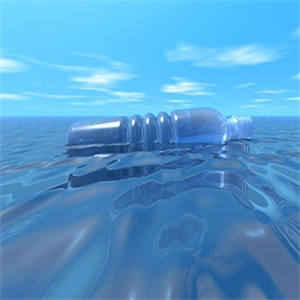
The oceans inspired by being called ‘Blue Planet’ are critical for natural ecosystem and sustainability. From Whales to corals; biological diversity in the oceans that host millions of animals, the 3 billion people on the world also provide the migration. But because of many factors, the oceans live a bigger exhaustion. These factors include climate change, uncontrolled hunting, plastic and oil pollution in the first rows.
Three billion people pass through sea
] [[T][4]
One of the Global Goals of the Sustainable Development of the United Nations (BM) 2030, was shifted as ‘life’ agent, aimed at sustainable development with the protection of oceans, seas, sea resources and sustainable use.. The UN Development Program (UNDP) pays attention to the global systems that make it live for the oceans, the world, people because of the temperature, chemistry, currents and life they have. It is also drawn the gold that the human being is indispensable for balancing the effects of this lifestyle resource management, both humanity and climate change. According to UNDP; more than three billion people are dependent on the biological variety of sea and coasts to ensure their migration. However, 30 percent of the fish stock in the world is under the level that it gives sustainable product because it is used excessively. [
The last 50 years the sea species decreased 36 percent
] [
Biological Diversity and Ecosystem Services Subject Governments Intergovernmental Science-Policy Platform (IPBES) according to the report last yearMore than 40 percent of amphibian species, about 33 percent of reef-generating corals and more than three of all sea mammals are threatened. The World Nature Protection Foundation (WWF) and the London Zoology Association prepared together, according to the detections in 2018, in the last 50 years, 36 percent reduction in the population of sea species was recorded in wet areas with 81 percent.
[
8 million tons of plastic water is mixed
]
Around 30 percent of the carbon dioxide produced by people in the oceans, since the beginning of the industrial revolution, 26 percent increase was recorded in ocean acidization. The large part of the sea pollution from land-based sources is based on the UNDP, highlighting that it reaches alarming levels; the average 13 thousand pieces of plastic waste in every kilometer of the oceans. According to the data of the World Economic Forum, the average of 8 million tons of plastic are mixed into the ocean waters. In case this condition is continued, it will be 1 ton of plastic, which corresponds to every 3 ton of baccas, in 2050, it is predicted that the amount of plastic in sea and oceans will pass sea creatures.
At the most extreme point of view[
Dolphins, balinas and water birds; dozens of years of area plastic parts are eating food. Plastic pollution leads to drowning the garbage from food maanne to sea creatures or waiting for death by attaching to plastic parts. The pollution in the sea and oceans has reached places where there is no human access, beyond the dense points of coastal or sea traffic. For example, in May last year, the American submarine, located in Mariana Pitu west of the Pacific Ocean, considered the deepest point in the world, found plastic waste and sugar packaging in the sea base, even at the farest and deserted point of oceans. Plastic wastes are estimated to reach Mariana Pitu, measured between 10 thousand 911 kilometers and 11 thousand 30 kilometers.
Three billion people pass through sea
] [[T][4]
One of the Global Goals of the Sustainable Development of the United Nations (BM) 2030, was shifted as ‘life’ agent, aimed at sustainable development with the protection of oceans, seas, sea resources and sustainable use.. The UN Development Program (UNDP) pays attention to the global systems that make it live for the oceans, the world, people because of the temperature, chemistry, currents and life they have. It is also drawn the gold that the human being is indispensable for balancing the effects of this lifestyle resource management, both humanity and climate change. According to UNDP; more than three billion people are dependent on the biological variety of sea and coasts to ensure their migration. However, 30 percent of the fish stock in the world is under the level that it gives sustainable product because it is used excessively. [
The last 50 years the sea species decreased 36 percent
] [
Biological Diversity and Ecosystem Services Subject Governments Intergovernmental Science-Policy Platform (IPBES) according to the report last yearMore than 40 percent of amphibian species, about 33 percent of reef-generating corals and more than three of all sea mammals are threatened. The World Nature Protection Foundation (WWF) and the London Zoology Association prepared together, according to the detections in 2018, in the last 50 years, 36 percent reduction in the population of sea species was recorded in wet areas with 81 percent.
[
8 million tons of plastic water is mixed
]
Around 30 percent of the carbon dioxide produced by people in the oceans, since the beginning of the industrial revolution, 26 percent increase was recorded in ocean acidization. The large part of the sea pollution from land-based sources is based on the UNDP, highlighting that it reaches alarming levels; the average 13 thousand pieces of plastic waste in every kilometer of the oceans. According to the data of the World Economic Forum, the average of 8 million tons of plastic are mixed into the ocean waters. In case this condition is continued, it will be 1 ton of plastic, which corresponds to every 3 ton of baccas, in 2050, it is predicted that the amount of plastic in sea and oceans will pass sea creatures.
At the most extreme point of view[
Dolphins, balinas and water birds; dozens of years of area plastic parts are eating food. Plastic pollution leads to drowning the garbage from food maanne to sea creatures or waiting for death by attaching to plastic parts. The pollution in the sea and oceans has reached places where there is no human access, beyond the dense points of coastal or sea traffic. For example, in May last year, the American submarine, located in Mariana Pitu west of the Pacific Ocean, considered the deepest point in the world, found plastic waste and sugar packaging in the sea base, even at the farest and deserted point of oceans. Plastic wastes are estimated to reach Mariana Pitu, measured between 10 thousand 911 kilometers and 11 thousand 30 kilometers.
Source: News