


Sea mammals under danger
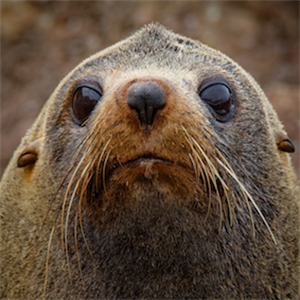
A new research conducted by the UK Exeter University, explained that 25 percent of the sea mammals in the world are for depletion of climate change and increased microplastic pollution. However, 98% of all animals that live in 56 percent of the oceans globally expressed that they were threatened by at least one of the factors such as noise, ice melt and fishing. Science has been called governments and companies for emergency protection of people, sea habitats.
]12 percent of the type]
In the study published in the journal Endangered Species Research, researchers examined the state of 126 species, including balinas,dolphins, foclar, sea lions, sea bear, dugongler, water samuru and polar bears, and found that at least 25 percent are classified under threat. In particular, vaquita pigfish, which is especially for depletion, and the highest threat of the North Atlantic right balina. However, scientists have taken into account that 98 percent of all types of mammals in 56 percent of the oceans are at risk at a certain level. [
The melting process of the transplants accelerates[
The researchers indicated that the main reason for dangerous thinking in live populations is a result of climate change, fishing, pollution and other human activities Home. For example, climate change eliminates natural habitats of species such as polar bears living in the sea ice and sea rites. The North Pole, home to these animals, heats up to about two times of the global average and leads to the melting of the ice they are connected. A separate study published in 2020 warned that polar bears can run in several years due to their decreasing habitat.
]
One of the most important elements that threaten the sea mammals is the charm of fish nets. The maximum number of sea creatures around the world die because the type of (101 types) is inserted into the active hunting equipment.
The authors of the study, “Some types of sea mammals (for example, vaquita and the North Atlantic right balina Eubalaena glacialis) and finiculators (for example, the Mediterranean foku Monachus monachus), partially brought the description of the nesli deple due to fishing.”
The study also found that at least 42 percent of the species of sea mammals are digested or filled with floating plastics in the ocean.
Source: NTV
Source: Ecosystems