


Prepared to European climate risks Tags
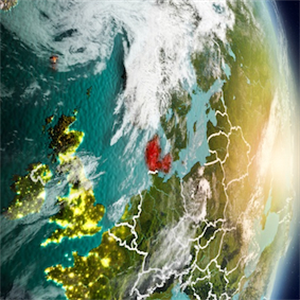
The current climate risks in Europe, the fastest-heated continent of the world threatens issues such as energy and food safety, ecosystem, infrastructure, water resources, finance and human health. The European Environmental Agency (EE), has released the first European Climate Risk Assessment (EUCRA) based on climate change, establishing climate-sensitive sectors and identifying policy priorities. In the report, it was highlighted that existing risks reach to the critical level, so they can encounter disaster scenarios if they are not passed to urgent and stable actions.
Mevcut policies are insufficient against risks
According to the report, current policies and compliance studies in Europe are estimated that in most cases, increased sleep work will not be enough, and even for emergencies that do not have urgent risk. [
Even if life conditions in Europe are considered the bestmser global warming scenario, it is noted that in recent years, excessive hot weather, drought, uncontrolled fires and flood disasters are taken into account, more worse. South Europe has more risk compared to other parts of the continent due to the agricultural production of forest fires, excessive hot air and water scarcity, working outdoors and affecting human health.. The factors such as flood, erosion and saltwater leakage are more threatened by the regions of the sea coast of Europe.
]
The climate risks in Europe require emergency action plans][
In the evaluation, 36 climate risk "ekosystem", "food", "health", "substructure", "economy and finance" was collected under 5 titles. In particular, risks for marine and coastal ecosystems are considered more, so the ecosystems offer multiple services to people, so the potential for spreading in other areas including food, health, infrastructure and economy was expressed. The food sector is located in the first positions among the categories that threaten climate risks. While agricultural production in South Europe is at risk due to temperature and drought, this situation is spread to Central European countries. Long-term droughts affecting especially wide areas pose a threat on vegetable production, food safety and drinking water resources. As a solution, a partial transition from animal protein sources to sustainable plant-based protein sources is predicted to reduce water consumption and food import in agriculture.
[
2023 has passed records as the hottest year
After 2023, the hottest year of registrations, the extreme weather events around the world continue. Temperature factor is considered to be the most urgent climate risk, which threatens human health. Employees in outdoors have the influence of old people and urban heat island, where access to cooling is undisable, living in regions and housings, more risk than the remaining part of the population. In recent years, excessive weather events, energy, water and transportation, bring risks to the critical services of Europe. Exchanges in rising sea levels and storm layout lead to devastating effects on people, economic activities and infrastructure. It is noted that in South Europe, the production of temperature and drought energy, the transmission and demand of serious risks, the buildings must be built in harmony with increased heat waves. Economic fluctuations in Europe facing different climate risks are also seen. The European economy focuses on the fact that insurance premiums can increase government spending and credit costs, as well as low-income households of poor climate conditions can be more vulnerable.
More cooperation required
]According to the report, although the European Union (EU) and the countries that form a unity are prepared to climate risks and to keep them progress in evaluation, social preparations remain insufficient due to the rapid increase in policy practices, risk levels. Many of the climate risks in the report suggest that the EU and EU member countries have a government-level "conceptibility" while the EEA should be coordinated by the European climate risks and in the reduction phase. [
Source: Climate Change