


How to become the most prepared city in the climate crisis?
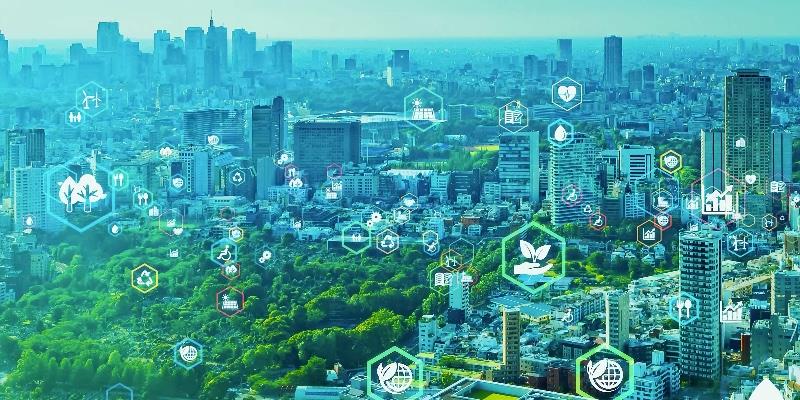
The effects of the obstacles are now felt in the most cities. Rekortemperature, sudden floods, long lasting droughts and increased water stress, not only the growth of cities, but how to plan.
The New Urban Agenda Call Meeting held in the General Assembly of the United Nations focused on this question. The decision arises from the world-induced how cities can adapt to climate change, how to resist disasters, and how to accelerate vital urbanization.
The main question for cities today is no longer “How do you grow more?” The question is “How do we adapt to the climate?
]
[[T]]]]
[[[T]]The center of the climate control?
According to the United Nations, the largest part of the world population is now living in cities and this rate will continue to increase in the coming years. At the same time, the large part of the global economy is produced in cities. Thus, every risk caused by climate elimination city life.
]]
Extreme hotes create pressure on systems health. Intense rainfalls can stop transportation. When forced drought water resources, the increase in energy demand pushes the electrical infrastructure.
]
As the UN Secretary General António Guterres said in the meeting, “Every global problem of people living neighborhoods. "
]]]]
Thus, cities are now not only the victim of climate change, but also in the center of the solution.
What is the city that resists the attack of the uterus?]]
When the climate-resistant city is called, it often comes to more parks or more trees. Yet today, this concept is much easier.
A durable city is the city that can maintain basic services when climate-borne shocks are experienced.
with another phrase;
]]]
Home Over hot health system continuous to work.
Home Transportation during the flood does not stop completely.
]]
Home Electricity meet increased demand.
]
Home Water resources are accessible more accessible. [
Home After disaster, the city can return to normal in a short time. [
So the matter is not only to avoid disasters, but it is possible to maintain life of the city in the event of disaster.
Green area not enough alone]
]]
One of the important parts of climate harmony, green spaces in cities Home. Trees can reduce excessive heating of cities by providing shade, facilitates rainwater to reach the ground and improve air quality.
But according to to experts, the cities of the future can not only be used for the climate control by making more parks.
Today, many cities adopt “green and blue infrastructure” approach. In this system, parks, rain gardens, permeable pavements, wetlands and natural waterways are mixed together. The aim is to reduce the impact of both extreme hot and lower the risk of flood growing by sudden obstacles.
Nature-based solutions are now seen as an important part of the city infrastructure, note an aesthetic choice. [email protected]
[
Altyapı is designed according to the climate of the future]
]
For many years, cities have been planned according to the weather events that have happened in the past. But climate change changed this approach.
Now the temperatures in the future of cities, examples and water stress are also part of the planning.
For example, electric grids are designed in capacity that can meet energy demand in hot air waves. Rainwater infrastructures are filled in short-term rentals. In water networks, reduction of losses and swellings is among primary investments against the risk of drought.
In the midst meeting of the United Nations, climate harmony was discovered not only the environmental policy. Health, transportation, energy, water management and disaster preparation are now examples of the same plan.
A critical for companies]
The climate resistance of cities is no longer interested in nearby.
The companies are watching the climate risk of the cities they operate in. When it can maintain the production of a factory, it depends on the city infrastructure direct, if the employees can work or the supply chains are interrupted.
Thus, the climate risks in the city scale are forced into account when preparing environmental, social and governance (ESG). [[
A company can reduce emissions in their operations. But if the city in which he pushes against excessive hotes, floods or infrastructure problems, this may also affect economic activities directly. [
[
[ What are the cities of the future?]]
Cities in Climate accessible does not mean only using new technologies. The main need is to plan cities as a whole.
Green fields, transportation systems, energy infrastructure, water management, disaster preparation and digital technologies are not independent of each other. The work makes cities more resistant to climate change. [
The most important message of the United Nations call meeting was this. The successful cities of the future are not only growing cities; it will be cities that can adapt to varing climate, predice risks and maintain life in accessible moments. [
Climate censorship is no longer the future, in the cities of today. Thus, city planning can not only perform according to population growth or economic growth. [
The most healthy city in the atmosphere; working with nature instead of more concrete, not only interfere with disasters, but also will be the city plan according to the climate conditions that reduce the risks in advance and change the entire infrastructure. [
The future of cities will now be waiting with how much they grow, how much they can adapt to the changing world.
sources
New Urban Agenda (2026)
New Urban Agenda[
Home António Guterres, Remarks at the High-level Meeting on the Midterm Review of the New Urban Agenda (16 July 2026)
]]]
Home IPCC, Climate Change 2023: Synthesis Report[
Source: Sustainable Living