


How can a fungus change life?
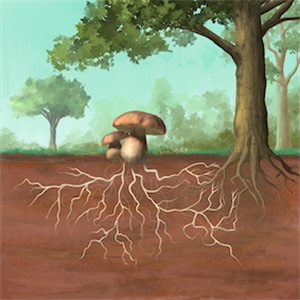
If you know that a network that does not seem to be seen in the world, look more carefully to your surroundings? Mushrooms are one of the most effective engineers of nature, working quietly in the depths of the soil. They are invisible heroes touching every field of life from rotten leaves to plastic wastes, from carbon release to food safety. A mushroom in today's world has the power of changing life, not only in the forest, in the field, in the laboratory and even in politics.
The quiet power of the ball[
Mushrooms are like recycling centers of nature. They separate all organic substances from the tree shell to animal leash and return to the ground. Thanks to this process, lifeal elements such as carbon, nitrogen and phosphorus enter the cycle of the ecosystem. But they don’t know. They build symbiotic relations with the roots of plants with fine mice networks in the soil. These networks protect them from diseases and stress conditions, while the plants take more water and minerals. Science people identify these mice networks as “internet network” of nature: Knowledge, nutrients and endurance are spread to the entire ecosystem through these invisible lines. I couldn’t mention a forest ecosystem that we know today. [
revolution in human health: Mushrooms and medicine[
From antibiotics to immune boosters, the role of fungi in human health is much greater than predicted. The penicillin, which Alexander Fleming discovered in 1928, was derived from Penicillium noteatum, a type of mushroom, and changed the gang of modern medicine. This coincidence led to rid of millions of lives. But the effect of fungi in medicine is not only limited to antibiotics. Some drugs used in battle with cancer are derived from fungi. In recent years, research shows hope vadettics in the treatment of mood health problems such as stress disorder (TSSB), depression and anxiety. This low volunteer organisms of nature offer both mental healing at cell level.
How can the future of mantars save?]
Mushrooms working in the depths of the soil are not only able to repair nature; they also offer solutions to some of the most invasive problems that people have created. Science people discovered that some types of mushrooms can shred plastic, oil derivative chemicals and even heavy metals. A mushroom called Pestalotiopsis microspora can digest plastics even in oxygen-free environment. This refers to a breakthrough potential to reduce pollution in garbage. This detoxification effect of mushrooms is also based on an environmental improvement technique called “microoremediation”. The enzymes of fungi are used to clean contaminated land or water resources. Also, sustainable packaging with mushroom-based biomaterials, textiles and even building materials are developed. So, the quietest creatures of nature can be one of the most powerful allies for humanity.
Recommended below
These quiet creatures that are not seen in the eye are playing an indispensable role for the future of humanity, not only for the balance of nature. Mushrooms go beyond standing ecosystems; from climate crisis to plastic waste, food safety to sustainable production. Now, it’s time to see them not only as strange creatures we’ve encountered in the orma dibin, but as biotechnological actors shaping the future. Perhaps the way to save the future is stored in the soil under our feet.
[
Source: Ecosystems