


Green enlightenment: Bioluminous plants
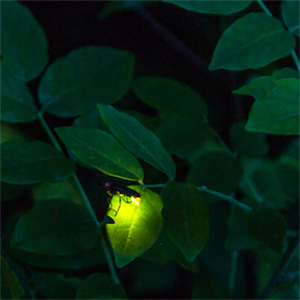
The thought of lighting in both nature-respecting and innovative method is carried out by means of biolumiescent (converting to light energy of chemical energy) technology. Science people found our homes a special plant gene with the potential of lighting with an environmentally friendly light source. This gene, which is attributed, is able to transform energy into a natural light, making it active in unique forms of different plant varieties, and thus reveals the development cycles of plants. These advances increase our living spaces, gardens and public spaces in harmony with environmental awareness.
The genes of the horse beetle are used
Researchers use genes of organisms, which can often emit natural light such as jellyfish or fire beetles. After these genes are integrated into plants, they allow them to gain their own bioluxemia properties. In this way, plants that produce light are improved. Among the potential areas of this technology, there are various ideas such as creating natural lighting resources that do not need energy, or using them as biological indicators to monitor the health conditions of plants. [
]Carbon footprint reduction potential
Bioluminescent plants offer an environmentally friendly alternative to traditional lighting methods as plants that produce their own light thanks to genetic engineering. This innovative approach has the potential to reduce carbon footprint by saving energy, but also adds aesthetic value in indoor and outdoor spaces. Soft, natural light, night gardens and public areas created by biodegradable plants. These plants can support night ecosystems without creating light pollution at the same time while having the advantage of relieving pressure in the environment by reducing dependence on chemical light sources.
The disadvantage also exists]
But there are also drawbacks as much as the benefits that bioluxury plants offer. The amount of light they produce is quite limited compared to traditional lighting solutions. This may not be enough for practical lighting needs. In addition, the development and maintenance of these plants often require high cost and technically demanding processes. The ethical and environmental concerns that the organisms produced by genetic engineering can also be ignored. The potential effects of these plants on natural ecosystems and risk of spread should be evaluated with long-term studies. In addition, in countries with strict regulations on the use and distribution of genetically modified organisms, the application and spread of biolymorphous plants may be subject to restrictions.
Source: Energy