


Finland heats its cities with waste heat
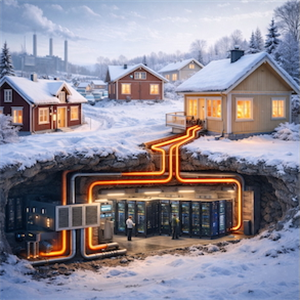
E-mails we sent every day, arrays we track, files we save... All in one place, working on servers running without stopping. This giant digital infrastructure produces much more heat than what we think, and in most places this energy is divorced. But Finland found the way to translate this waste into advantage. The temperature from the data centers where they have built old shelters under the ground is heated through tens of thousands of houses waste heat by integrating the heating system of cities. Thus, it reduces both carbon emissions and reduces energy costs. heating the physical world with the heat of the digital... Here is an example of cyclic economy and climate solutions: the zero waste heat vision of Finland.
from data centers to radiators... How does the system work?][
In the heart of this model developed by Finland, there is a system that integrates waste heat into the city infrastructure that spreads 24/7. Hot water (about 75–90 °C), which occurs especially in cities such as Espoo and Helsinki, during the cooling of servers working in the data centers under the ground. This water bites houses through radiators across the city. The establishment of data centers in underground areas such as old military shelters and abandoned mines provides two important advantages:
Natural cooling: ] Coolness under the ground reduces the need of artificial cooling.
Energy efficiency:] The hot water formed during cooling is provided to transfer to the city infrastructure instead of swing out.
This model offers a sustainable alternative to fossil fuel heating systems, mainly used in winter in northern countries.
Home bites, carbon emissions drop]
The results of the waste heat model of Finland are remarkable. Here are some of them:
]
Home A data center provides warming up to 40.000 households in Espoo city. [
• The center, which Microsoft was founded in Helsinki, heats historical zones in the city center.
Home Carbon release reduces about 400.000 tons per year.
Home Up to 60 percent reduction in warming costs.
Home 10 percent of the total heat requirement of Helsinki is met only from waste heat.
In this way, data centers turn into a sustainable source of energy, not only in the service of the digital world.
Less fuel, less waste, more mind]
]]]
Traditional data centers build cooling systems by spending billion dollars to control high temperatures. These systems produce heat that is dred out greatly. On the other hand, cities bite with fossil fuel in winter, which feeds climate crisis. Finland’s solution succeeds in solving these problems with a single infrastructure fiction:
Home By evaluating the heat to the empty, it is avoided. [
Home By minimizing fuel usage, carbon footprint shrinks. [
Home Energy costs are reduced.
In addition, underground data centers offer advantage in terms of cyber security and physical security. Old shelters create ideal environments for critical data infrastructure as they are both durable and limited to access.
An inspiring model for the cities of the future
This application of Finland is redefined the relationship between digitalization and sustainability. Now not only increase renewable energy sources; it is vital to evaluate waste energy obtained from existing systems wisely. This approach, which converts waste heat to energy, has potential to spread all over the world, mainly in countries with cold climate. Today, when data centers continue to grow, integrated into the urban infrastructures of the heat from digital can be one of the key components of energy conversion.
Source:
]
Home Helen.fi – “Waste Heat Recovery”
]
• Microsoft Finland – “Data Center Heat Recovery Program”
Home Fortum – “District Heating with Recovered Heat”[
Home Copyright © 2018 Data Center Waste Heat. All Rights Reserved.[
Source: Energy