


affects climate crisis in the ecosystem Home
The hottest 5th, thanks to 2022 throughout the world, in Europe, the hottest 2nd year. The European Union (EU) Copernicus Climate Exchange Service reported that a large number of records temperature were recorded in 2022, the greenhouse gas increased appetite. According to EU data; 2022 was the most warm 5th year, since the retention of 'temperature records. In the last 8 years, the record was passed as ‘hot 8 years’. The average temperature of the last year was awarded at 0.3 degrees higher than the 1991 reference period. The temperature increased by 1.2 degrees to 1850-1900 period. Carbon dioxide deficiency in the atmosphere also increased approximately 2.1ppm as in recent years.
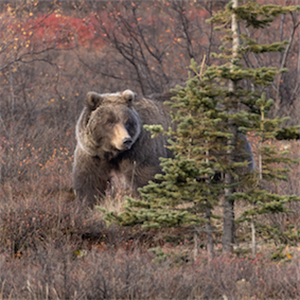
Eyes could not lie in winter sleep[[T November5]In Kars, on December and in December, sleeping and walking between March and April, this year was not the expected snowfall, and due to the high temperature of the air could not leave in winter sleep. The same situation was observed in Sivas and Uludag. Experts have the warning that climate change can extend the time spent on the bears, and may bring the natural food sources, and the relationship between people and bears can be more covered. [[
Sivrisines are substitute population]][
According to the information Engine by Anadolu Agency, experts say that the warm winter season with the effect of climate change creates more favorable time and conditions for the breeding of hunger. While temperatures are not falling, the activation period of relaxation are extended and they are excited.
The balance of the backs was broken]]
In some regions, it is reported that the weather temperature is not able to pass into winter salutation, which is also called winter sleep. Bartin Provincial Department of Agriculture and Forestry of the bond in Bartın revealed that the bees lie in the night but they turned to the normal cycle during the day. According to experts; they have to consume honey when they return to the nest of bees, and in winter push can lead mass beeuse deaths, not enough honey in the nests.
Source: AA
Source: Ecosystems