


Will save the future of corals
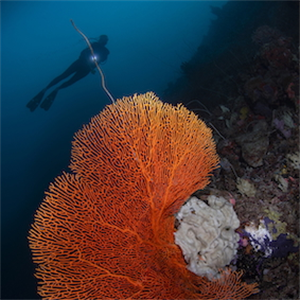
coral reefs in sea life are very important. The International Coral Reefs Initiative (ICRI) leads Saudi Arabia to the new era, and the goal is to cover the coral reef close to 90 percent of the world up to 2027. In this context, protection and restoration works are now limited to classical methods, supported by advanced technology. The techniques used in the re-life of half a million coral columns in Florida Keys are artificial reefs produced by 3D printers in Red Sea, cloud brightening applications in Australia and durable types developed by genetic analysis in Hawaii are the most striking examples of this approach. The health of reefs is monitored 24/7 with underwater drones, smart floats, automatic DNA sampling devices and artificial intelligence-supported forecast models. Collected data allows scientists to make faster and accurate decisions by analyzing machine learning systems. In addition, community engagement is not forgotten. Thanks to mobile applications, online platforms and virtual reality programs, volunteers can report damage, take training and contribute directly to the protection process.
Why it is very important to protect mercans?]
Coral reefs are not only the colorful ecosystems of seas, but also natural assets that directly affect human life. 25 percent of all marine life on the world depend on reefs. From fishing to tourism, from coastal protection to pharmaceutical industry, they produce approximately 10 trillion dollar economic value annually. However, reefs are quickly destroyed because of increased sea temperatures, pollution and excessive hunting. Science people consider that at the end of this century the large part of corals can be lost if they continue the current departure. That’s why the technology-supported global protection initiative is a critical milestone. Thanks to artificial intelligence, satellite systems, smart floats and genetic studies, the health of corals can be monitored instantly, disease or stress symptoms can be detected early. In this way, only natural inheritance is not preserved; at the same time, the sources of late-life of coastal societies and the future of millions of people is secured. [
]
These technology-based methods developed for coral reefs serve not only to solve today’s problems, but also to secure future ecosystems. Supported monitoring systems with artificial intelligence show that the development of more resistant types with artificial reefs and genetic analysis built with 3D printers can handle the hand of science. This initiative is a meaning beyond the recovery of corals; protecting the late sources of coastal societies, ensuring the safety of millions of people and transferring the biological diversity of the oceans to future generations. If international cooperation and technological innovations are maintained with stability, the story of coral reefs is not formed, it can be written with rebirth.
Source: Ecosystems