


The EU raises gears in transition to zero emissions
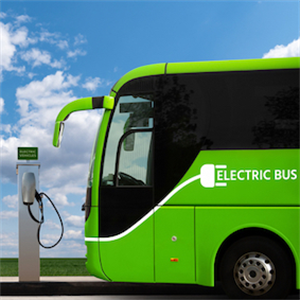
The EU accelerated the transition to electric and hydrogen-powered bus fleets in urban public transport in line with the targets of fighting climate crisis. The EU aiming to reduce greenhouse gas emissions up to 2040 within the scope of the Green Agreement to 90 percent according to the 1990 level, aims to bring Europe to the continent "net zero greenhouse gas emissions" until 2050. In line with this plan, renewable energy is aimed at 40% of its share in the sector and member countries are encouraged to invest in renewable energy projects.
The gasoline or diesel buses used in public transport are caused by the release of greenhouse gases such as carbon dioxide, methane and nitrogen oxides. Therefore, the aim of providing 90 percent of vehicles used in transportation up to 2030 of the EU is zero emission, the use of electric and hydrogen buses is widespread.
In 2023, 36 percent of domestic bus sales in the EU created electric buses. Norway, Slovenia, Denmark, Ireland, Finland and the Netherlands were the countries leading in zero emission bus sales. The electric bus fleet is aimed at "zero emission public transport" with the start of being used in all European cities up to 2027.
[
net targets from the EU[
[AB has set targets for 2030, 2035 and 2040 years to reduce carbon emissions caused by heavy vehicles such as trucks and buses in 2023. These targets include at least 55 percent reduction compared to 1990 levels up to 2030 of greenhouse gas emissions. According to the decision approved by the European Parliament, 90 percent of the new buses to be sold up to 2030 were forced to be zero emission.
By increasing 54 percent of the electric urban bus records in 2023, the annual growth rate of 18 percent increased by more than two floors. If this is kept rapidly, it is expected to be zero emission of the entire urban bus fleet up to 2031. Countries that increase sales of electric bus fleets include Portugal, Latvia, Greece and Romania.
]
Zorlics may occur
Kovid-19 secretion and economic effects of war in Ukraine continue to influence public transport investments of city management. According to Eurocities’ survey, public transport investments may be reduced or delayed due to inflation. While the EU’s incentives and aids are not enough, experts recommend allowing financial support and some natural gas buses for charging centers. [
Hidrogen targets are discussed
According to the report of the European Issue, the EU’s renewable hydrogen policies and targets are not "realistic". Despite the initiatives of the EU Commission, problems in the hydrogen value chain are experienced, and it does not seem possible to achieve 2030 targets. It is criticizing that the goals are based on a solid analysis and directed by the political will. The EU emphasizes the need for a large amount of public and private sector investment for the establishment of hydrogen industry.
The gasoline or diesel buses used in public transport are caused by the release of greenhouse gases such as carbon dioxide, methane and nitrogen oxides. Therefore, the aim of providing 90 percent of vehicles used in transportation up to 2030 of the EU is zero emission, the use of electric and hydrogen buses is widespread.
In 2023, 36 percent of domestic bus sales in the EU created electric buses. Norway, Slovenia, Denmark, Ireland, Finland and the Netherlands were the countries leading in zero emission bus sales. The electric bus fleet is aimed at "zero emission public transport" with the start of being used in all European cities up to 2027.
[
net targets from the EU[
[AB has set targets for 2030, 2035 and 2040 years to reduce carbon emissions caused by heavy vehicles such as trucks and buses in 2023. These targets include at least 55 percent reduction compared to 1990 levels up to 2030 of greenhouse gas emissions. According to the decision approved by the European Parliament, 90 percent of the new buses to be sold up to 2030 were forced to be zero emission.
By increasing 54 percent of the electric urban bus records in 2023, the annual growth rate of 18 percent increased by more than two floors. If this is kept rapidly, it is expected to be zero emission of the entire urban bus fleet up to 2031. Countries that increase sales of electric bus fleets include Portugal, Latvia, Greece and Romania.
]
Zorlics may occur
Kovid-19 secretion and economic effects of war in Ukraine continue to influence public transport investments of city management. According to Eurocities’ survey, public transport investments may be reduced or delayed due to inflation. While the EU’s incentives and aids are not enough, experts recommend allowing financial support and some natural gas buses for charging centers. [
Hidrogen targets are discussed
According to the report of the European Issue, the EU’s renewable hydrogen policies and targets are not "realistic". Despite the initiatives of the EU Commission, problems in the hydrogen value chain are experienced, and it does not seem possible to achieve 2030 targets. It is criticizing that the goals are based on a solid analysis and directed by the political will. The EU emphasizes the need for a large amount of public and private sector investment for the establishment of hydrogen industry.
Source: News