



Report
Nature comes back: Ecosystem restoration on 252 million hectares
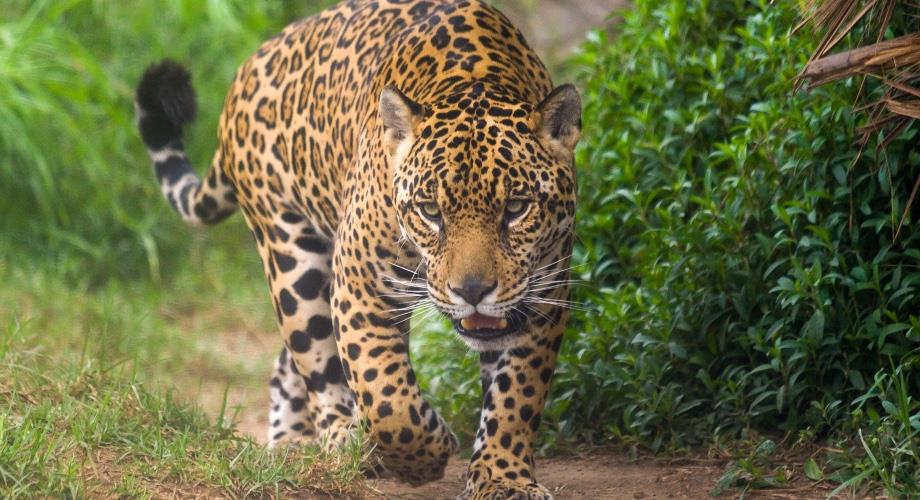
The 2026 report of the United Nations Environment Program (UNEP) reveals the extent of ecosystem restoration around the world. According to the report, restoration work is carried out on a total of 252 million hectares in 149 countries. This area is approximately ten times the area of the United Kingdom.
The studies cover different habitats, from forests to wetlands, from agricultural lands to coastal ecosystems. However, the report emphasizes that current progress is not enough to achieve the 2030 targets.
Ecosystem restoration also supports employment
Restoration work does not only contribute to the improvement of natural areas. It also creates new job opportunities for local economies.
According to the report, more than one million people are employed within the scope of restoration activities. It is predicted that this number may reach 32 million by 2030.
Studies such as agroforestry, reforestation and wetland improvement; It is also important for food security, adaptation to climate change and rural development.
Progress is higher in terrestrial ecosystems
The report states that restoration efforts in terrestrial ecosystems have reached approximately half of the 2030 target.
China stands out with its restoration area of 127 million hectares. Mongolia and Kazakhstan also report studies covering large areas.
In contrast, progress in freshwater, marine and coastal ecosystems is more limited.
Restoration work is being carried out on approximately 11 million hectares of freshwater ecosystems and 5.7 million hectares of marine and coastal areas worldwide.
This difference shows that restoration efforts should be spread more evenly across ecosystems.
The need for financing is increasing
Financing is an important condition for the expansion of ecosystem restoration.
The report states that annual restoration funding should be increased from $64 billion to $296 billion.
It is important to direct these resources not only to afforestation activities, but also to the protection of wetlands, the improvement of degraded agricultural lands and the restoration of marine ecosystems.
In addition to funding, scientific monitoring, participation of local communities and long-term preservation of restored areas also determine the success of the work.
New opportunities for biodiversity
Ecosystem restoration can also contribute to the protection of species whose habitats have been damaged.
Mountain gorillas in East Africa, snow leopards in Central Asia and Ganges River dolphins in India are among the examples that demonstrate the importance of conservation and ecosystem restoration efforts.
However, species conservation does not depend solely on restoration. Fighting poaching, protecting habitats and long-term monitoring are also required.
Work for 2030 targets should be accelerated
UNEP's 2026 report shows that ecosystem restoration has reached a significant scale worldwide. However, the current working area of 252 million hectares is not enough to achieve global goals.
In the coming period, increasing financing, including missing ecosystems within the scope of restoration, and regular monitoring of the results of the work will be decisive.
It is possible for natural areas to recover. However, for lasting results, restoration must not only be initiated but maintained in the long term.
Source: https://www.unep.org/en/news-and-stories/story/un-report-shows-nature-being-restored-unprecedented-scale