


Blog
Ghost Nets in the Sea of Marmara Turn into Sunglasses
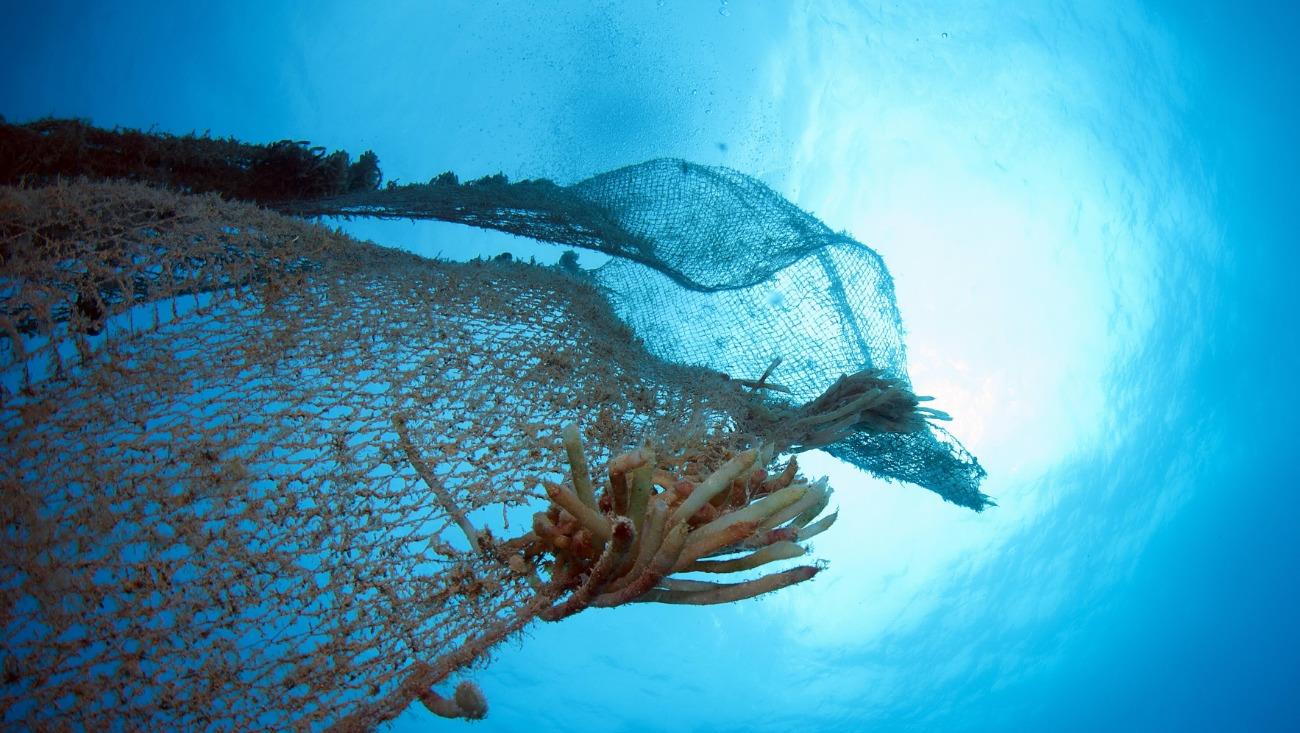
The project carried out around Istanbul and the Princes' Islands combines the fight against marine pollution with a circular economy approach. While transforming the extracted waste into product, it also creates a traceable document of sea cleanliness.
How do ghost nets threaten marine life?
Nets that are lost, broken or abandoned during fishing are called ghost nets. They can continue to catch creatures as long as they stay in the sea.
Fish, sea turtles, seabirds and other creatures can become entangled in these nets. Creatures caught in nets can be injured and lose their ability to feed and move.
The threat is not limited to creatures getting caught in the net. Nets settling on the seabed are damaging sensitive habitats. A significant part of modern fishing nets are produced from plastic-based materials. These materials can remain in the marine environment for a long time and break down into smaller plastic pieces over time. Thus, ghost nets protect both sea creatures andIt poses a problem both in terms of safety and plastic pollution.
800 kilograms of net will be removed from the Marmara Sea
Within the scope of the project announced on October 26, 2026, Marine Life Conservation Association teams detect and remove abandoned nets at different points of the Marmara Sea.
Teams locate nets using tip-offs, nautical charts, technological tools and local information. Studies are concentrated in the deep waters around Istanbul and the Islands. While some nets were removed from depths over 50 meters, a net located at a depth of 55 meters off the coast of the Islands was also found.
Within the scope of the project, it is aimed to remove approximately 800 kilograms of net, over 1,000 square meters, from the seabed. Teams record the weight, size and location of each net they remove. Thus, information is collected about where abandoned fishing gear accumulates on the seabed.
Three stingray egg sacs were found during the clean-up effort. When the teams noticed the egg sacs, they released them back into the sea. This incident shows how close contact ghost nets are with marine life. Nets on the seafloor don't just affect fish. It also poses a risk for the breeding areas and development processes of different species.
How will nets taken from the sea be turned into sunglasses?
The extracted nets will go through the recycling process. The material converted into plastic granules is planned to be used in the frames of specially designed sunglasses.
The coordinates and depth information where the net was removed from the sea will be engraved on the inside of each frame. Thus, the person using the glasses will be able to find out from which point of the Marmara Sea the raw material of the product comes.
This application will make the source of recycled material visible. It will also establish a traceable link between sea cleaning and the resulting product. It will connect environmental responsibility with consumption habits.
How does the circular economy contribute to the fight against marine pollution?
Circular economy is based on extending the life of materials, reducing waste generation and reusing resources. Recycling ghost nets is one of the applications of this approach in combating marine pollution.
Plastic nets extracted from the seabed can be used as raw materials for new products when they are subjected to appropriate processes. A waste material will regain economic value.
However, when evaluating the environmental benefit of recycling, it is necessary to take the whole process into account. Removing the nets from the sea, transporting them, cleaning them, processing them and turning them into new products requires the use of energy and resources. The total environmental impact of the project is only due to the fact that the glasses are made of recycled materials.cannot be determined based on its content.
However, removing ghost nets from the marine environment can directly contribute to reducing an existing threat to marine life. The project aims to both eliminate pollution and utilize recyclable materials.
Prevention is as important as sea cleaning
Removing existing networks is important, but preventing new network losses plays a decisive role in the long-term solution.
Regular monitoring of fishing equipment, reporting lost nets, and delivering end-of-life materials to appropriate collection systems are among the preventive practices.
The Marmara Sea project does not only include sea cleaning and recycling. DP World and the Marine Life Conservation Association also plan to conduct awareness activities with fishing communities. These studies will contribute to preventing the loss or abandonment of hunting gear.
Volkan Narcı, Chairman of the Board of Directors of the Association for the Protection of Marine Life, draws attention to the importance of cooperation in protecting the seas. He emphasizes that the private sector can play an important role in this process.
Is a permanent solution possible for the Marmara Sea?
The Marmara Sea study brings together three approaches to combat marine pollution: cleaning existing waste, utilizing recyclable materials and preventing new pollution.
Recording data on extracted networks is another important aspect of the project. The information collected about its location, depth and quantity will help understand which areas need more cleanup work in the future. These data are also valuable for examining the conditions that cause the accumulation of ghost networks.
For permanent improvement, it is not enough to focus only on the amount of mesh removed. It is necessary to reduce new net losses, develop appropriate waste management in fishing activities, and monitor the ecological effects of cleaning activities.
Transforming nets extracted from the Marmara Sea into sunglasses offers a concrete example of reusing waste. The long-term contribution of the project will be determined by how much it reduces risks to marine life and supports the prevention of new pollution.
Source: Anadolu Agency Yeşilhat, 26 October 2026
Source: https://www.aa.com.tr/tr/yesilhat/kirliği/marmara-denizinden-cikarilan-hayalet-aglar-gunes-gozlugune-donusecek/1832025